Skip to content

Things to see in Matsuyama

The sights worth your time in Matsuyama, with how long each takes and what to check before you go.

Most of Matsuyama’s sights sit within a tram ride of the castle hill. Allow a full day for the castle, Bansuiso and the arcades, and a second for Ishite-ji, the Shiki museum and Dogo Onsen, which share the eastern end of the tram line.

Matsuyama Castle — Matsuyama
01

Matsuyama Castle

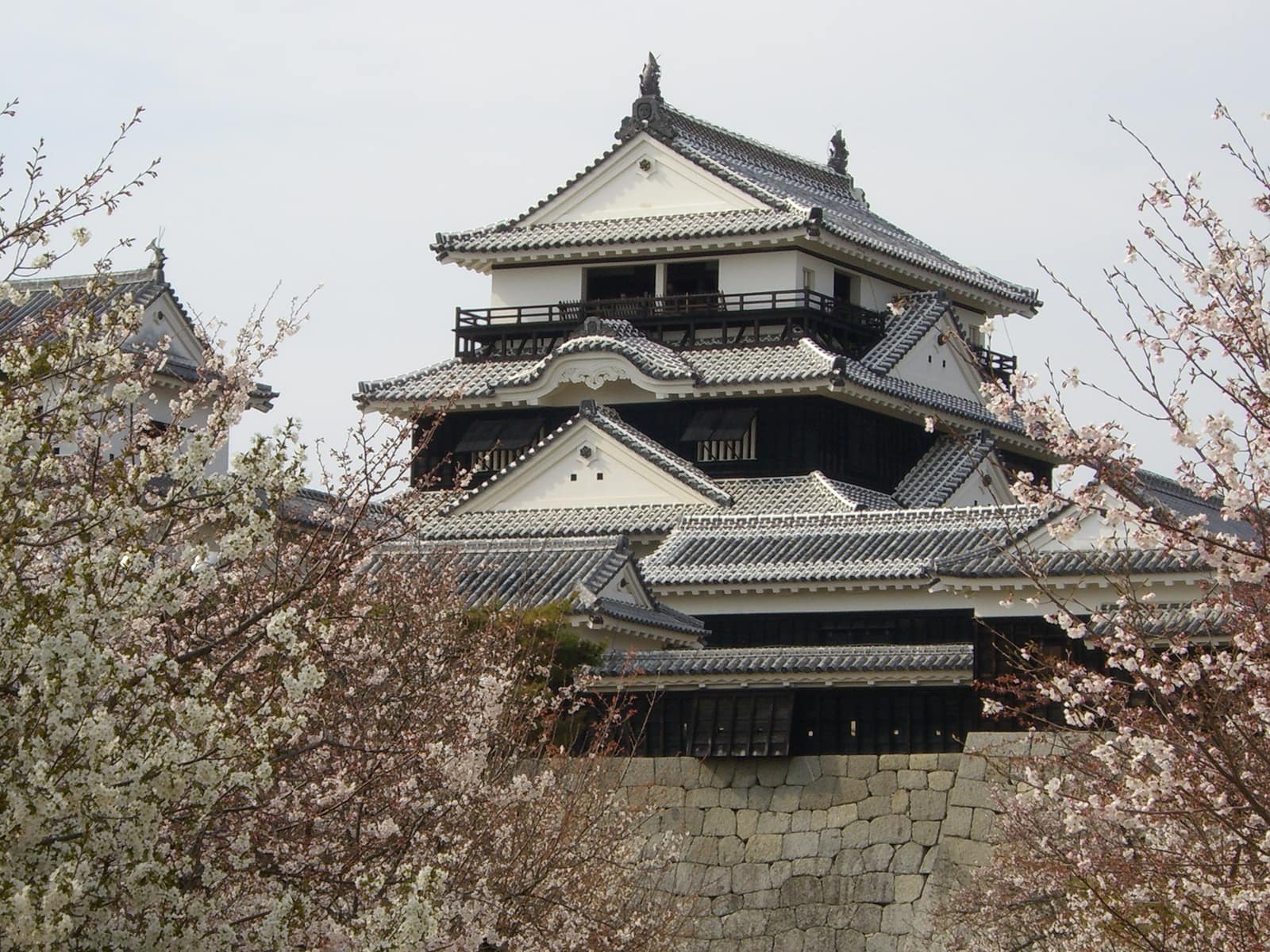
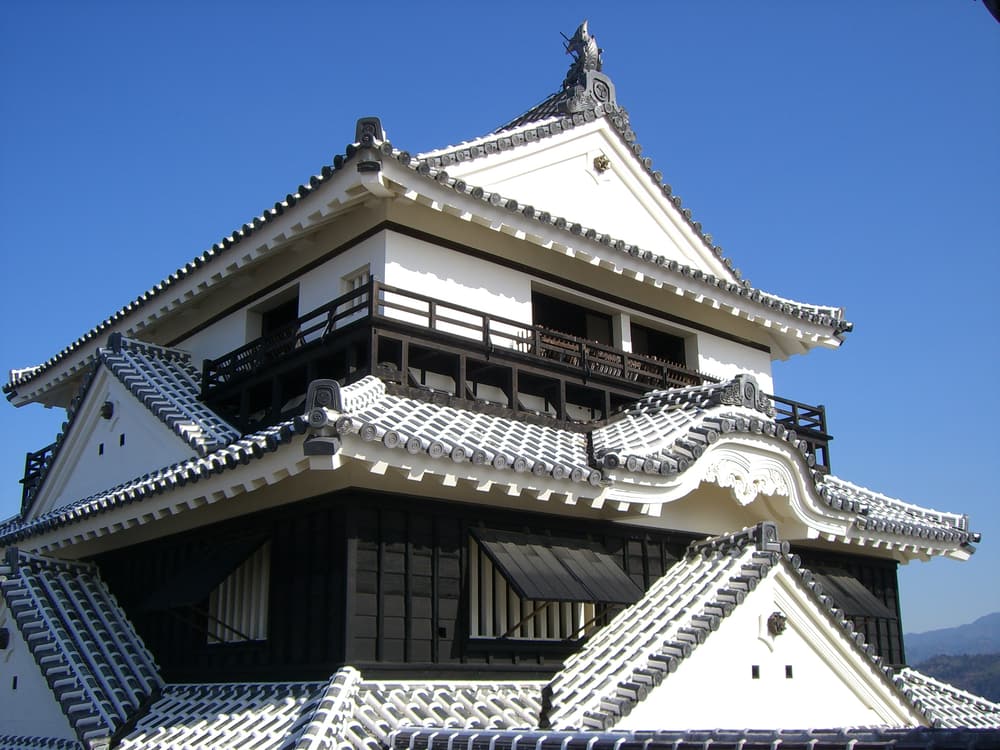
Begun in 1602 by the warlord Kato Yoshiaki, the castle spreads across the top of 132-metre Katsuyama. Its main keep, rebuilt in the 1850s after a lightning fire, is one of the twelve original keeps left in Japan, and the climb through a maze of gates and turrets is as impressive as the view from the top floor — the whole city, the Seto Inland Sea and, on clear days, Mount Ishizuchi. A ropeway and a single-seat chairlift run from the Okaido side; walking up takes about 20 minutes.

Practical: Keep open roughly 9:00–17:00 (shorter in winter, longer in August). Around ¥520 for the keep; a combined ropeway/chairlift return and keep ticket is about ¥1,000. Allow 2 hours.
Ninomaru Historical Garden — Matsuyama
02

Ninomaru Historical Garden

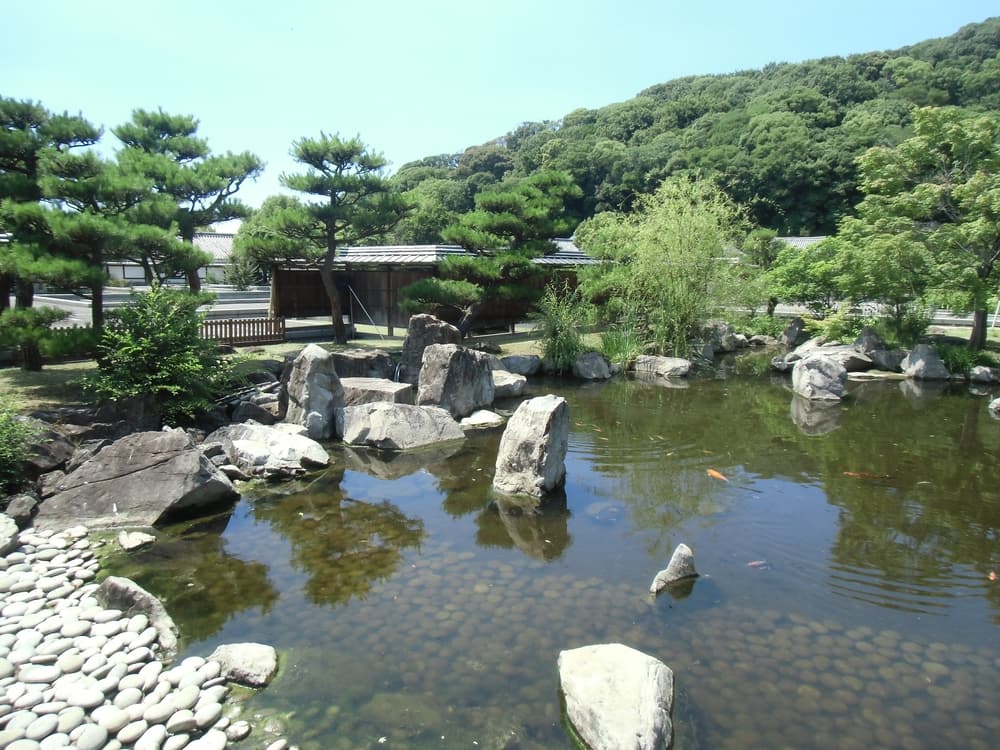
At the south-western foot of the hill, the footprint of the lords’ second-bailey residence has been laid out as a garden: the old room plan is traced in water basins and citrus beds, with a pond garden and tea house behind. It is quiet, photogenic and popular for wedding pictures.

Practical: About 9:00–17:00; a small fee of around ¥200. 30–40 minutes. A stone path links it to the main bailey.

Bansuiso & the Saka no Ue no Kumo Museum — Matsuyama
03

Bansuiso & the Saka no Ue no Kumo Museum

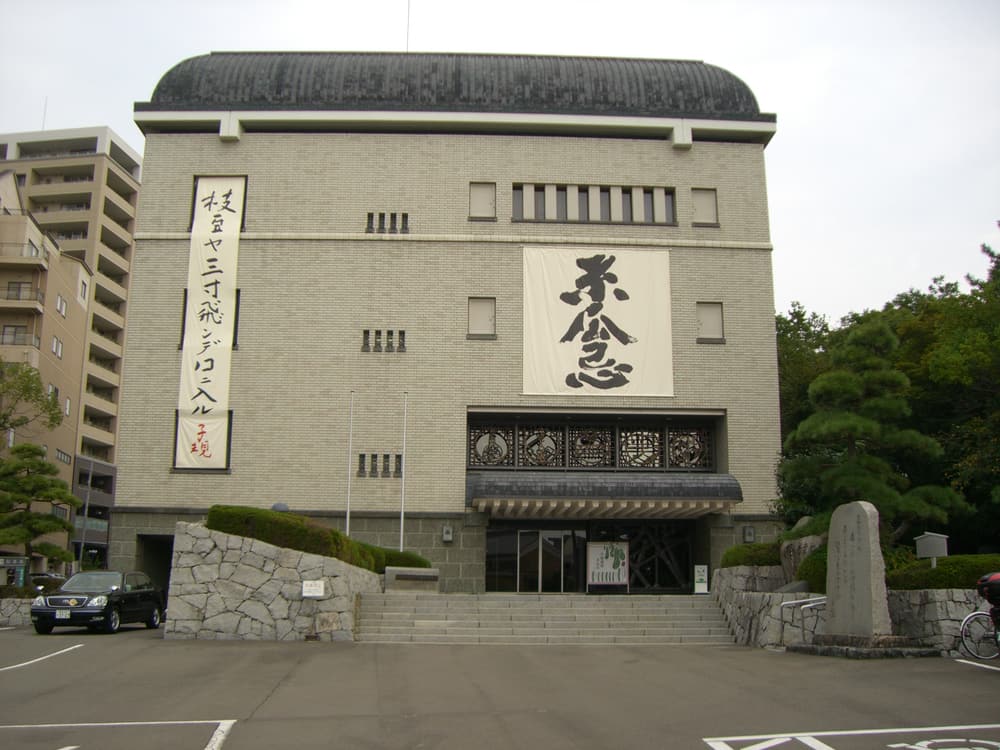
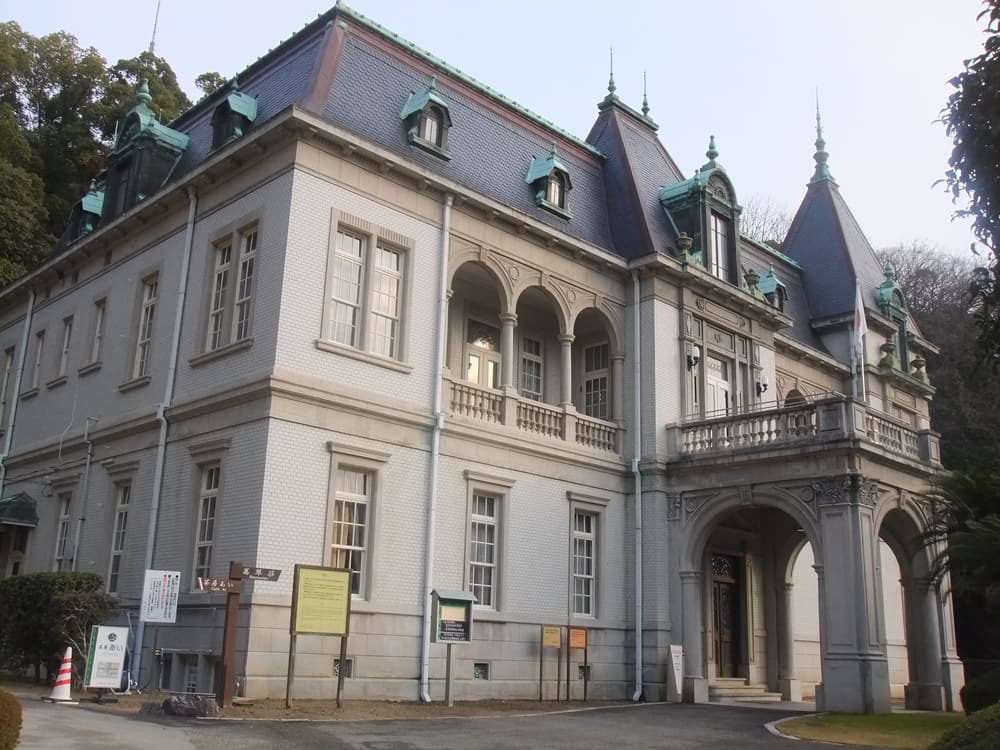
Bansuiso is a French-style villa built in 1922 for Count Hisamatsu Sadakoto, a descendant of the castle’s former lords — all mansard roofs, stained glass and chandeliers. Next door, Tadao Ando’s triangular concrete museum is devoted to Shiba Ryotaro’s novel Clouds Above the Hill and the three Matsuyama men at its heart, including the poet Shiki.

Practical: Both are a few minutes’ walk from the Okaido tram stop. Bansuiso’s ground floor has usually been free, with a small fee upstairs; the museum charges around ¥400. Both normally close on Mondays.

Ishite-ji (Temple 51) — Matsuyama
04

Ishite-ji (Temple 51)

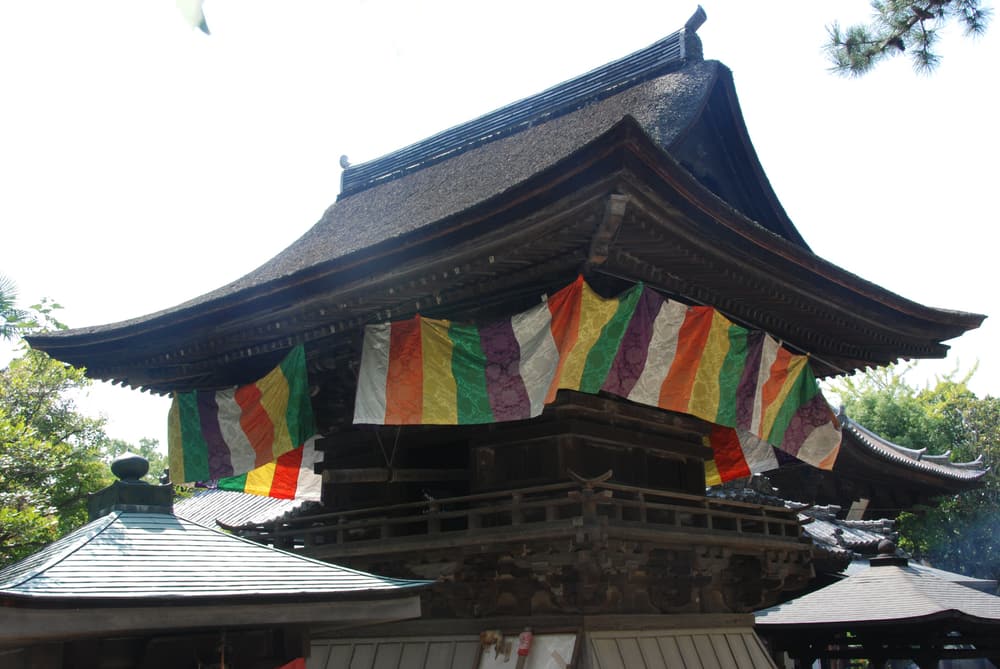
The most atmospheric of Matsuyama’s eight pilgrimage temples. Its Niomon gate, dated 1318, is a National Treasure, and the grounds hold a three-storey pagoda, giant straw sandals, incense smoke and a long, dim tunnel lined with statues that burrows through the hill behind the main hall.

Practical: Grounds open all day and free; the treasure hall has a small fee. A 15–20 minute walk east of Dogo Onsen, or a short bus ride. Allow 45–60 minutes.

Shiki Memorial Museum & the city of haiku — Matsuyama
05

Shiki Memorial Museum & the city of haiku

Masaoka Shiki (1867–1902) reinvented haiku as a modern art in a short life, and this museum on the edge of Dogo Park tells his story alongside that of his friend Natsume Soseki. Around town, look for the wooden haiku post boxes — the city reads every entry and publishes the best.

Practical: About 9:00–17:00 (to 18:00 in the warmer months), closed one day a week; around ¥400. English audio or leaflets are available. 5 minutes’ walk from Dogo Onsen Station.

Okaido & Gintengai arcades — Matsuyama
06

Okaido & Gintengai arcades

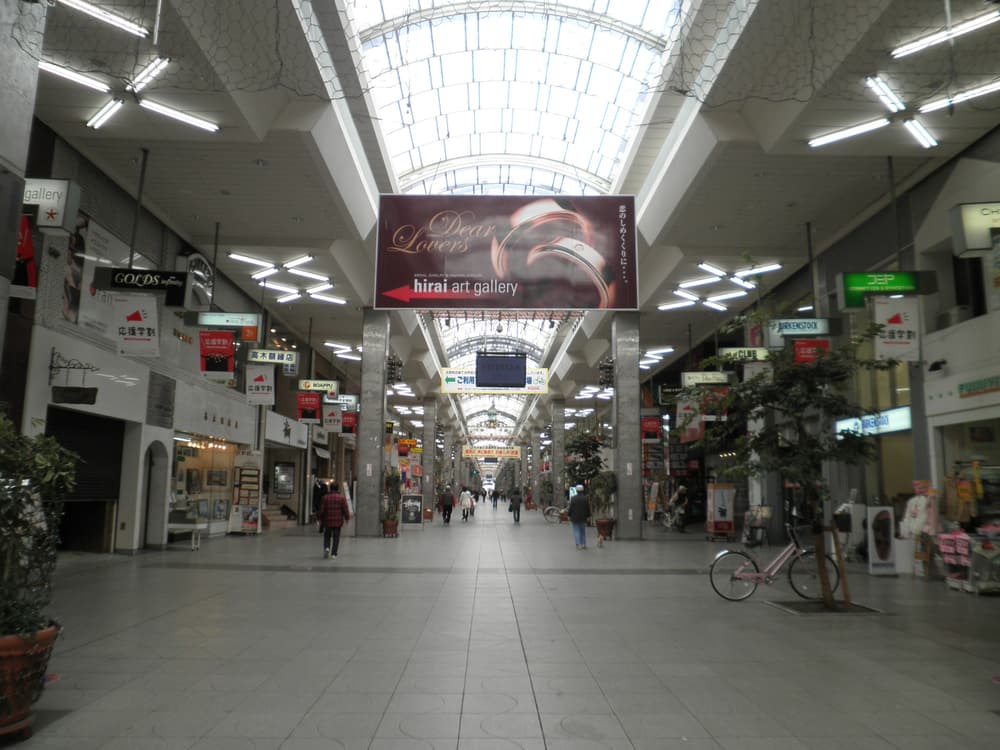
Two covered shopping streets, joined in an L, form the city’s living room: about a kilometre of department stores, mikan-juice bars, tart shops, izakaya and the odd venerable udon counter. Okaido runs south from the ropeway street; Gintengai continues west to Matsuyama City Station and its rooftop Ferris wheel.

Practical: Shops roughly 10:00–20:00; restaurants later. Free to wander. Liveliest in the early evening.

Botchan train & the Iyotetsu trams — Matsuyama
07

Botchan train & the Iyotetsu trams

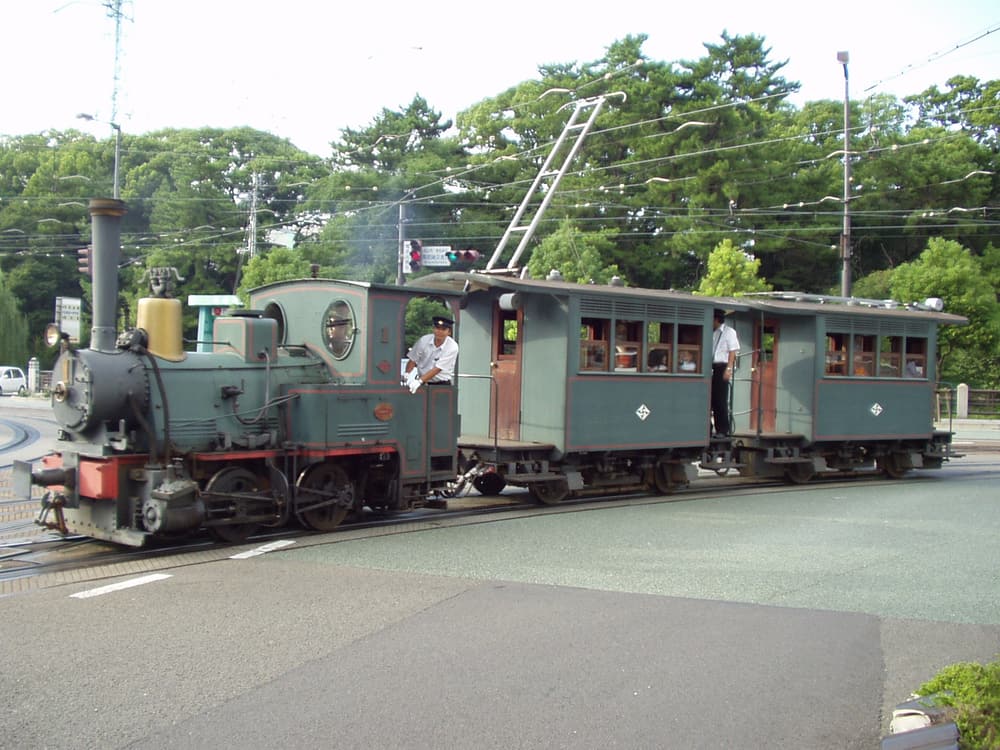
Matsuyama’s tram network is one of the most characterful in Japan, with 1950s cars still in daily service. The star is the Botchan Ressha, a diesel-powered replica of the tiny German steam locomotive that Soseki’s hero called a “matchbox” train, which trundles between Dogo Onsen and the two main stations.

Practical: The Botchan train runs a few times a day, mostly at weekends and holidays, for a little over ¥1,000 a ride; ordinary trams charge a flat fare of roughly ¥200–250. Check the Iyotetsu timetable.

Opening hours, closing days and admission fees change — especially around New Year, festivals and renovation works. Treat the details here as a guide and confirm on the official site before you set out.

Tours & tickets

Top experiences for Matsuyama

Ready to go?

Ready for Matsuyama?

Lock in a guide, a tasting or a day trip for Matsuyama now — most GetYourGuide bookings can be cancelled free up to 24 hours before.