Ehime at a glance
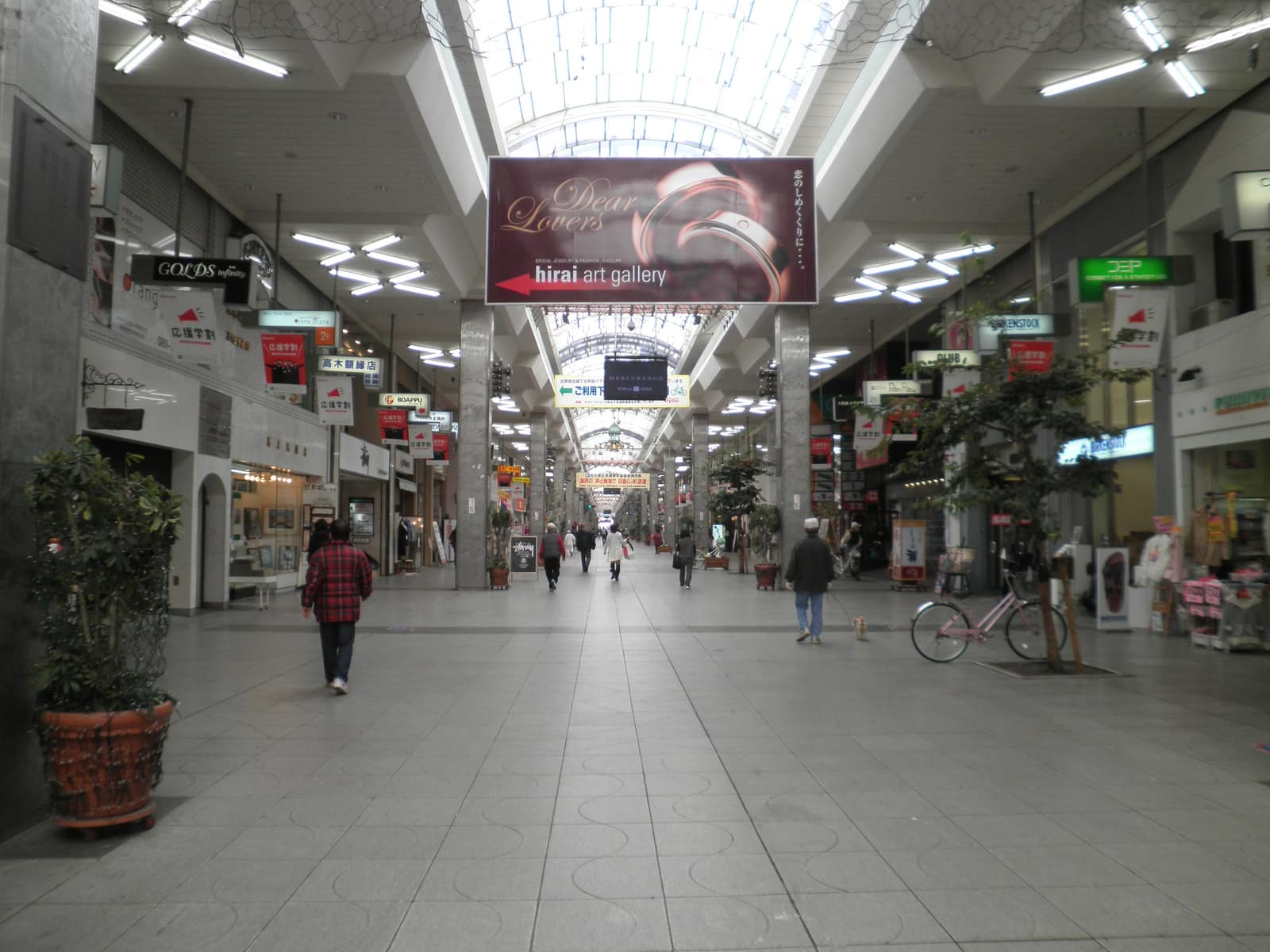
Ehime occupies the north-west of Shikoku, with about 1.3 million people, more than a third of them in Matsuyama. Locals divide it into Chuyo (the centre), Toyo (the east, industrial and maritime) and Nanyo (the south, rural and citrus-growing). In the old days it was Iyo Province, a name that survives in station names, citrus varieties and the phrase “Iyo no Kuni”.
Tourism is low-key and mostly domestic. English is less widely spoken than in Tokyo or Kyoto, but signage at stations and major sights is bilingual, and visitors are treated with a courtesy that owes something to the pilgrimage tradition of hospitality.
Entry & visas
Ehime has no entry rules of its own: Japan’s national regulations apply. Citizens of many countries can visit visa-free as temporary visitors for short stays, while others need a visa in advance. Requirements change, and Japan has been preparing an electronic pre-travel authorisation for visa-exempt visitors, so check the website of Japan’s Ministry of Foreign Affairs or your nearest embassy before booking. Completing immigration and customs forms online before arrival saves time at the airport.
Money & costs
The currency is the yen. Cards and mobile payments are accepted at hotels, chain stores, department stores and many restaurants, but cash remains essential for small eateries, rural buses, temple offerings, coin lockers and bathhouse tickets. ATMs in convenience stores and post offices take foreign cards.
Ehime is cheaper than Japan’s big cities. Sightseeing is inexpensive — most admissions are a few hundred yen — and food is excellent value; accommodation and limited-express fares are the main costs. The table gives rough daily budgets per person, excluding long-distance transport.
There is no tipping. A consumption tax of 10 per cent is normally included in displayed prices; hot-spring accommodation adds a small bathing tax per night.
| Style | Sleeping | Eating | Sights & local transport | Total per day |
|---|---|---|---|---|
| Budget | Hostel or simple business hotel: 4,000–7,000 | Noodles, set lunches, convenience stores: 2,500–3,500 | 1,500–2,500 | About 8,000–13,000 |
| Mid-range | Good city hotel: 9,000–15,000 | Tai-meshi lunch, izakaya dinner: 5,000–7,000 | 2,500–4,000 | About 17,000–26,000 |
| Comfort | Ryokan with dinner and breakfast: 25,000–50,000 | Included, plus lunch: 2,000–4,000 | 4,000–8,000 incl. taxis or a guide | About 31,000–62,000 |
Staying connected
Mobile coverage is excellent in towns and along the coast, patchy in mountain gorges. An eSIM or a pocket Wi-Fi router bought before arrival is the simplest solution. Free Wi-Fi is available at Matsuyama Airport, major stations, tourist offices, many trams and most hotels. Power is 100 volts with two flat-pin sockets (type A).
Etiquette
- Baths: wash before entering, no swimsuits, keep towels out of the water. See our Dogo Onsen guide.
- Shoes: take them off wherever there is a step up and a rack — ryokan, temple halls, castle keeps, some restaurants.
- Pilgrims: you will see walkers in white with sedge hats and staffs. Locals offer them small gifts (osettai); a nod or a quiet greeting is the right response from visitors.
- Trains and trams: queue, keep phones silent and voices low.
- Photography: ask before photographing people, and respect signs in temples and residential old towns.
- Rubbish: public bins are rare — carry it with you.
Food & drink
Ehime’s cooking is built on the fish of two seas and the fruit of its hillsides.
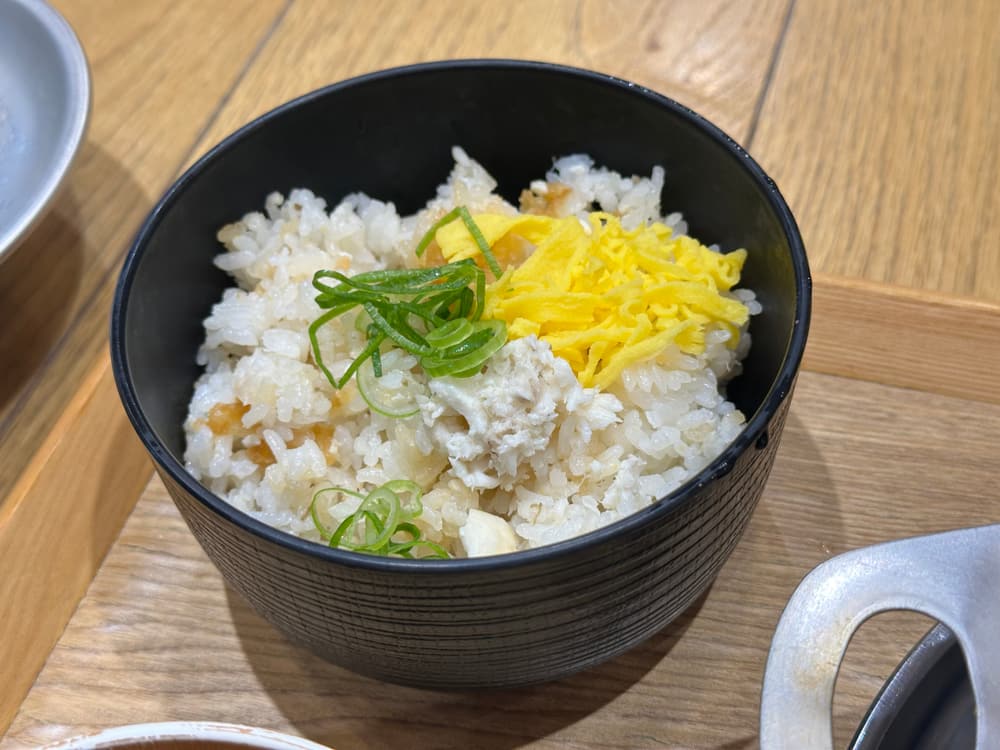
- Tai-meshi, two styles. Ehime is one of Japan’s largest producers of sea bream. Around Matsuyama and Imabari the whole fish is cooked with rice in an earthenware pot and flaked through it. In Uwajima and the south, slices of raw bream are mixed into a sauce of soy, dashi and raw egg and poured over hot rice. Try both.
- Jakoten. Small whole fish ground and fried into rough, savoury patties — a speciality of Uwajima and Yawatahama, sold hot at stations and markets.
- Mikan and other citrus. Ehime grows dozens of varieties, harvested in sequence from October to spring: early satsuma mikan, then iyokan, ponkan, dekopon, setoka, kiyomi and the luxurious beni-madonna. Juice bars in Matsuyama let you compare them, and there really is mikan juice on tap at the airport.
- Imabari specialities. Griddle-seared yakitori and the roast-pork-and-egg rice bowl.
- Nabeyaki udon. Matsuyama’s sweet-brothed noodle hotpot in an aluminium pan.
- Sweets. Botchan dango, tart sponge rolls and Ozu’s shigure.
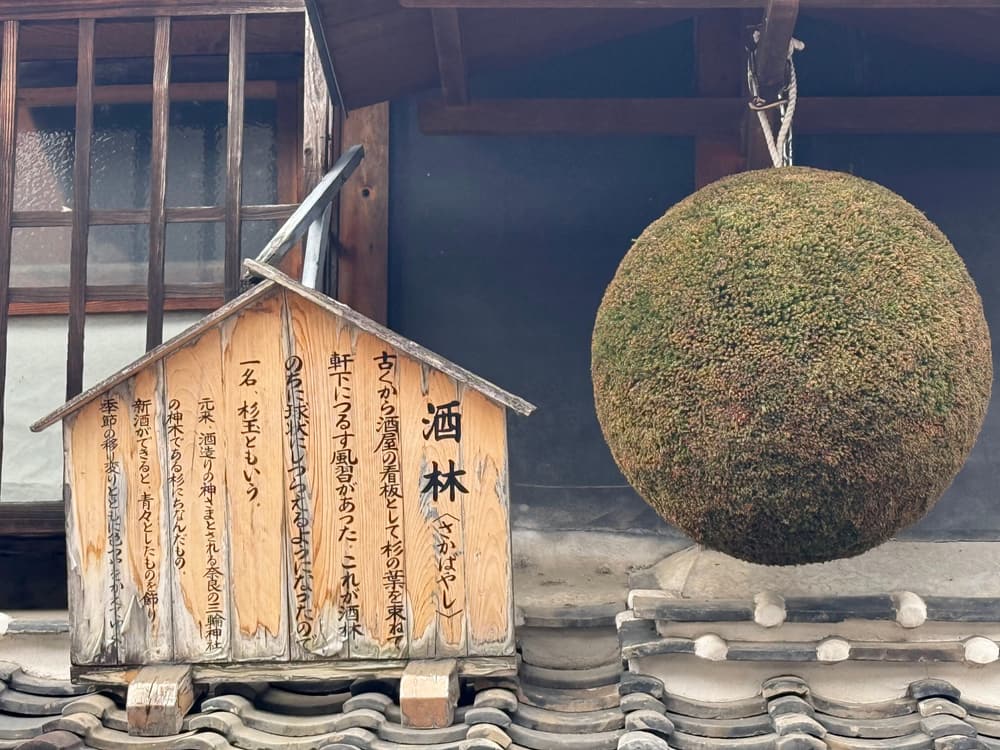
- Sake and beer. Soft mountain water makes gentle, slightly sweet sake; small breweries in Matsuyama, Saijo and Uchiko welcome visitors, and Dogo has its own craft beer.
Vegetarians should note that fish stock is used almost everywhere; ryokan can usually adapt meals with advance notice.
The Shikoku pilgrimage in Ehime
The Shikoku Henro is a 1,200-kilometre circuit of 88 Buddhist temples associated with the monk Kukai (Kobo Daishi), walked — or these days often driven — by pilgrims for centuries. Each of the island’s four prefectures represents a stage on the spiritual path; Ehime, with temples 40 to 65, is the “place of enlightenment”.
You do not need to be a pilgrim to visit. The most rewarding temples for travellers are Ishite-ji (51) in Matsuyama, with its National Treasure gate; Daiho-ji (44) and cliff-hung Iwaya-ji (45) in Kuma Kogen; and mountain-top Yokomine-ji (60) above Saijo. Eight temples (46 to 53) lie within Matsuyama’s city limits and can be linked on foot or by bus over a day or two. At each, visitors may light incense, ring the bell once before praying, and have a stamp book inscribed for a small fee.
Health & safety
Ehime is extremely safe; lost property is usually handed in. The real hazards are natural. Typhoons and heavy rain can halt trains and ferries between June and October — keep plans flexible and follow hotel advice. Earthquakes occur throughout Japan; note the evacuation information in your room. Summer heat is serious from July to September: drink often and rest at midday. In the mountains, carry layers and tell someone your route.
Tap water is safe to drink everywhere. Pharmacies are common in towns, but bring enough prescription medicine, with documentation, as some common foreign medicines are restricted in Japan. Travel insurance that covers medical care is strongly advised. Emergency numbers are 110 for police and 119 for ambulance and fire.
What to pack
- Comfortable slip-on walking shoes — you will take them off many times a day.
- A small towel for footbaths and public baths.
- Layers: the coast is mild, but the mountains and ferry decks are cool even in summer.
- Sun protection and a hat from May to October; a compact umbrella in any season.
- Coins and small notes; a coin purse is genuinely useful.
- For the Shimanami Kaido: padded shorts, gloves and a windproof top (helmets come with the bike).
Accessibility
Matsuyama’s newer low-floor trams, the airport, main stations and most modern hotels are step-free, and Asuka-no-Yu at Dogo Onsen was designed with accessible facilities. Historic sites are harder: castle keeps have steep ladder-like stairs and no lifts, the Dogo Onsen Honkan is a multi-level wooden building, and old towns have uneven paving. The Matsuyama Castle ropeway is wheelchair-accessible as far as the upper station, from where the main bailey is reached by a sloping path. Ask tourist offices about wheelchair loans and accessible taxis.
Frequently asked questions
Is Ehime expensive?
No. It is noticeably cheaper than Tokyo, Kyoto or Osaka for hotels and food. A comfortable mid-range trip costs roughly 17,000–26,000 yen per person per day before long-distance travel.
Do people speak English in Ehime?
Less than in the big cities, but tourist offices, larger hotels and the main sights manage well, and translation apps cover the rest. Stations and trams are signed in English.
What food is Ehime known for?
Sea bream rice (tai-meshi) in two distinct styles, jakoten fish patties, mikan and other citrus, Imabari yakitori, nabeyaki udon and mild local sake.
Can I drink the tap water?
Yes, everywhere. In Saijo it is famously good spring water.
Which pilgrimage temples in Ehime are most worth visiting?
Ishite-ji (51) in Matsuyama, Iwaya-ji (45) and Daiho-ji (44) in Kuma Kogen, and Yokomine-ji (60) near Saijo. All welcome non-pilgrims.