Matsuyama travel guide
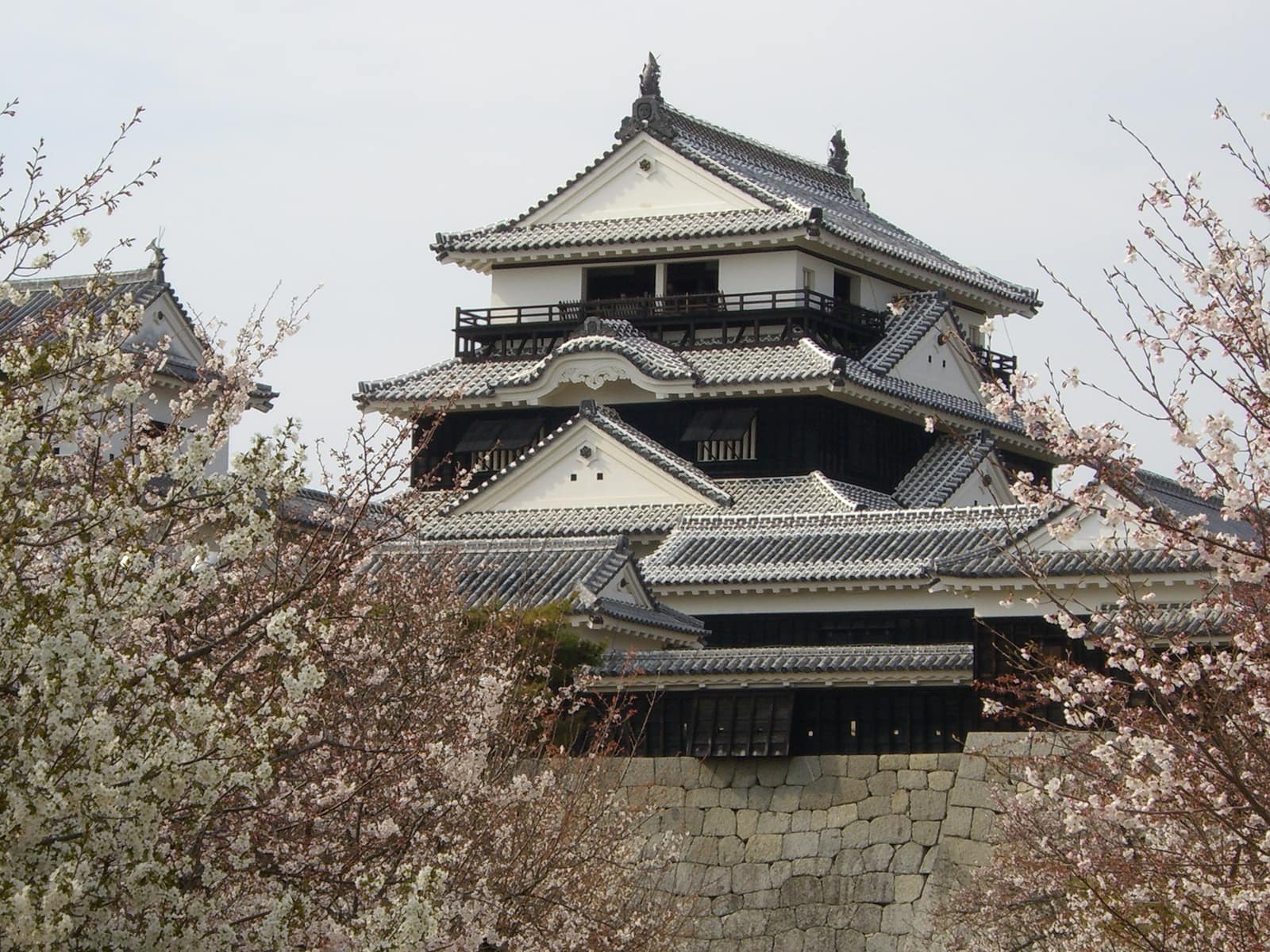
Where to base yourself, what to eat, how to save money and ready-made day plans for Matsuyama.
Where to base yourself
Okaido / Ichibancho is the most convenient area: the castle ropeway, both arcades, most restaurants and three tram lines are on the doorstep. Matsuyama City Station (Shieki), at the far end of Gintengai, suits early buses and airport runs. JR Matsuyama Station has a few business hotels and is handy for day trips by train but quiet at night. And Dogo Onsen is the choice if a ryokan dinner and a bath before bed matter more than nightlife.
What to eat & drink
- Tai-meshi — sea bream rice, in two styles: Matsuyama’s, where the fish is cooked in the pot with the rice, and Uwajima’s, where sashimi in a raw-egg and soy sauce is poured over hot rice. Many restaurants serve both side by side.
- Nabeyaki udon — soft noodles in a sweetish broth, served in a battered aluminium pot at a handful of old-school shops near Gintengai.
- Jakoten — fried fish-paste patties from southern Ehime, best hot off the griddle.
- Mikan — dozens of citrus varieties as juice, jelly, soft-serve and even on tap; winter is peak season for fresh fruit.
- Sweets — three-colour Botchan dango and the yuzu-scented sponge roll called tart.
- Sake — small breweries in and around the city offer visits and tastings (see tours).
Saving money
Buy the combined ropeway-and-keep ticket rather than separate ones, and a one-day tram pass if you will ride four or more times. The All Shikoku Rail Pass pays off quickly if Matsuyama is one stop on a loop of the island, and under its current rules it also covers Iyotetsu’s trains and trams. Lunch sets (teishoku) at tai-meshi restaurants cost far less than dinner.
Safety & practicalities
Matsuyama is a very safe, easy city. Summers are hot and humid — carry water on the castle hill — and typhoons can disrupt ferries and trains from August to early October. Cash is still useful in small restaurants, though cards and QR payments are now common. Tourist information desks at JR Matsuyama Station and Dogo Onsen have English maps and can hold luggage or point you to coin lockers.
Where to stay in Matsuyama
Stay around Okaido and Ichibancho for restaurants, the castle ropeway and trams in every direction; near Matsuyama City Station for buses and airport links; or sleep in a ryokan at Dogo Onsen, ten minutes away by tram.
- ANA Crowne Plaza Matsuyama — Matsuyama’s best-known full-service hotel, on the main avenue below the castle with the tram stop outside and Okaido a short walk away.
- Candeo Hotels Matsuyama Okaido — A modern hotel at the top of the Okaido arcade, steps from the castle ropeway, with a rooftop spa for guests.
- Daiwa Roynet Hotel Matsuyama — A dependable upper-business hotel in the centre, close to the arcades, with larger-than-average rooms.
- Dormy Inn Matsuyama Natural Hot Spring — A city-centre hotel from the popular Dormy Inn chain, with its own natural hot-spring bath.
- REF Matsuyama City Station by Vessel Hotels — A contemporary hotel beside Matsuyama City Station, convenient for airport buses, Iyotetsu trains and the Gintengai arcade.
How to spend your time in Matsuyama
One day
Morning at Matsuyama Castle via the chairlift, lunch of tai-meshi near Okaido, Bansuiso and the arcades in the afternoon, then the tram to Dogo Onsen for a bath and dinner.
Two days
Add Ishite-ji and the Shiki museum on the second morning, a ride on the Botchan train, and an afternoon out to the pottery town of Tobe or a sake brewery tasting.
Matsuyama: frequently asked questions
How many days do I need in Matsuyama?
One full day covers the castle and Dogo Onsen; two lets you add Ishite-ji, the museums and the arcades without rushing. Many travellers stay three or four nights and use the city as a base for day trips.
Is Matsuyama Castle worth it if I have seen Himeji?
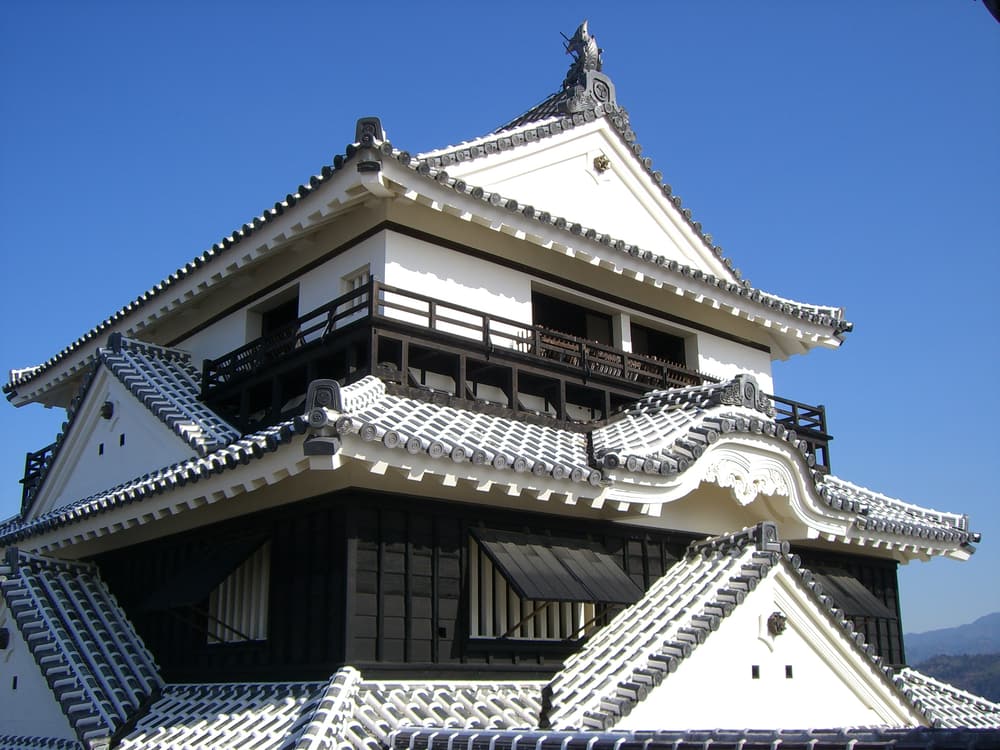
Yes. It is one of the twelve original keeps, the hilltop setting and views are different in character, and it is far less crowded.
Can I get around without Japanese?
Easily. Tram stops are announced and signed in English, the main sights have English leaflets, and staff at the tourist offices are used to foreign visitors.
Is Dogo Onsen part of Matsuyama?
It is a district of the city, about ten to fifteen minutes east of the centre by tram. We cover it as its own destination because most visitors treat it that way.
Ready for Matsuyama?
Lock in a guide, a tasting or a day trip for Matsuyama now — most GetYourGuide bookings can be cancelled free up to 24 hours before.