Skip to content

Things to see in Mount Ishizuchi & Saijo

The sights worth your time in Mount Ishizuchi & Saijo, with how long each takes and what to check before you go.

There are two normal ways up: from the north via the ropeway and Joju (the traditional pilgrim route), and from the south-east via the Tsuchigoya trailhead (shorter and gentler). The two paths meet below the chains for the final climb.

The summit: Misen and Tengudake — Mount Ishizuchi & Saijo
01

The summit: Misen and Tengudake

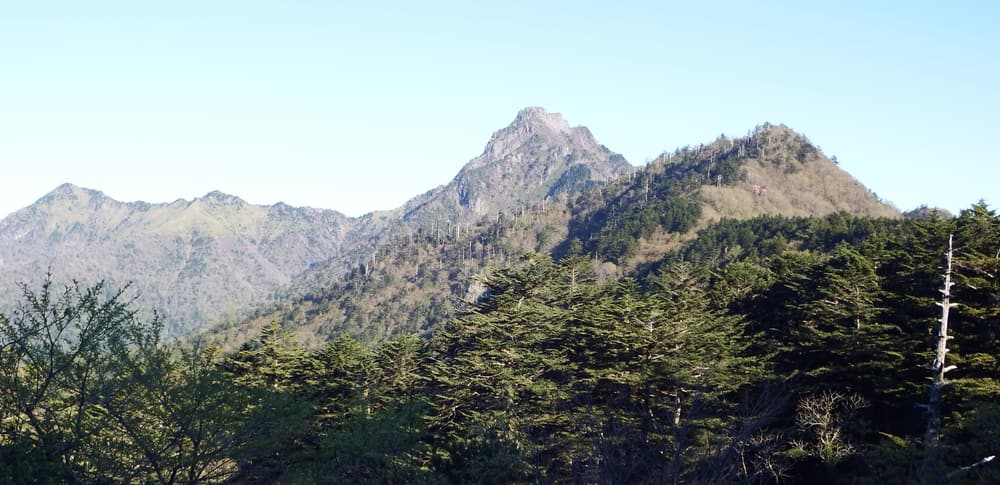
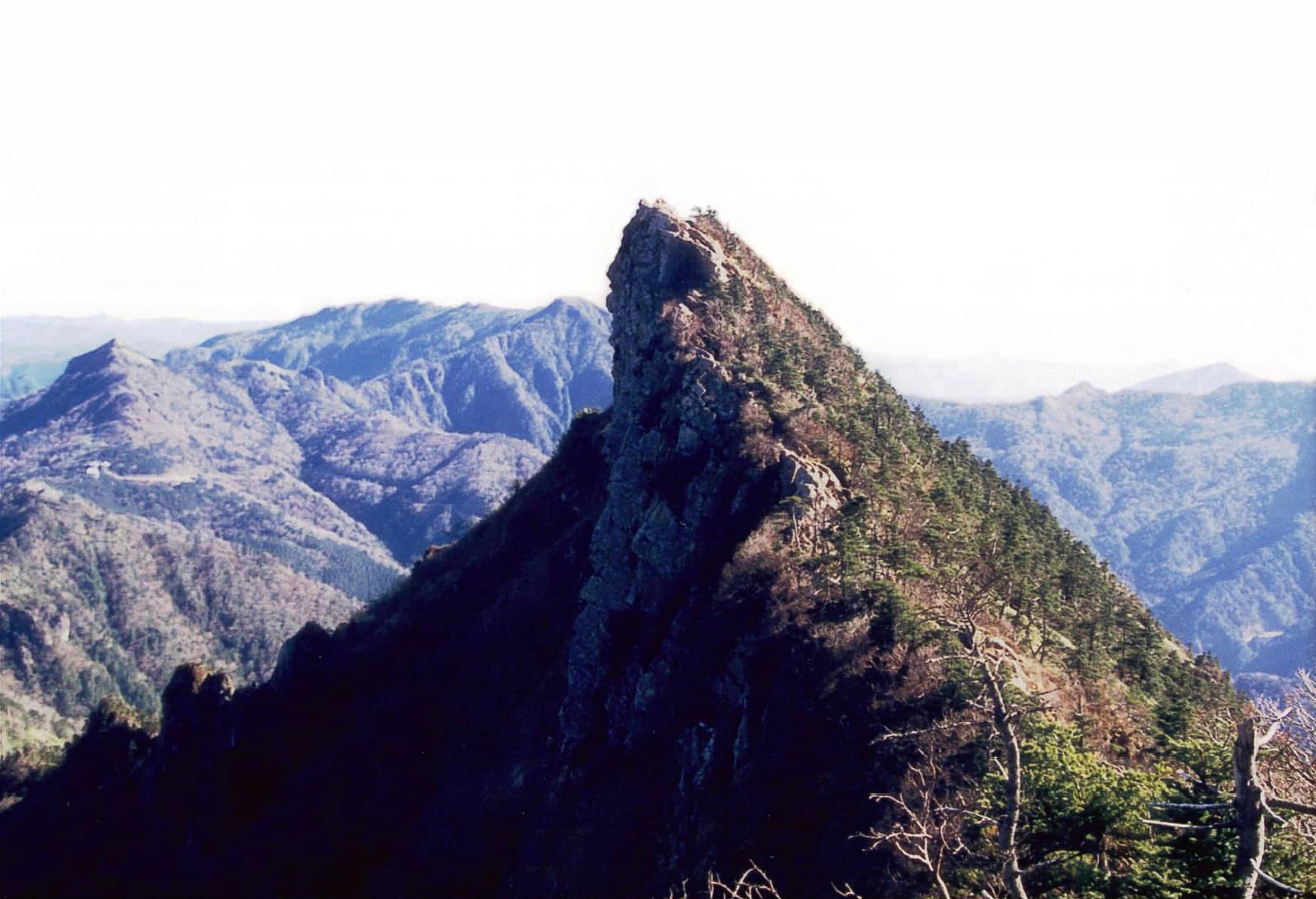
The main trail ends at Misen (1,974 m), a rocky platform with the summit shrine, a mountain hut and room to sit and eat. Ten to fifteen minutes further along an exposed rock ridge is Tengudake (1,982 m), the highest point — a tilted blade of rock with a drop of several hundred metres on its north side. The view of Tengudake from Misen is the classic photograph of Shikoku’s mountains.

Practical: From Joju: about 3–3.5 hours up, 2.5 down. From Tsuchigoya: about 2–2.5 hours up, 2 down. The ridge to Tengudake is not for those afraid of heights and should be avoided in wet, windy or icy conditions.
The chains (kusari) — Mount Ishizuchi & Saijo
02

The chains (kusari)

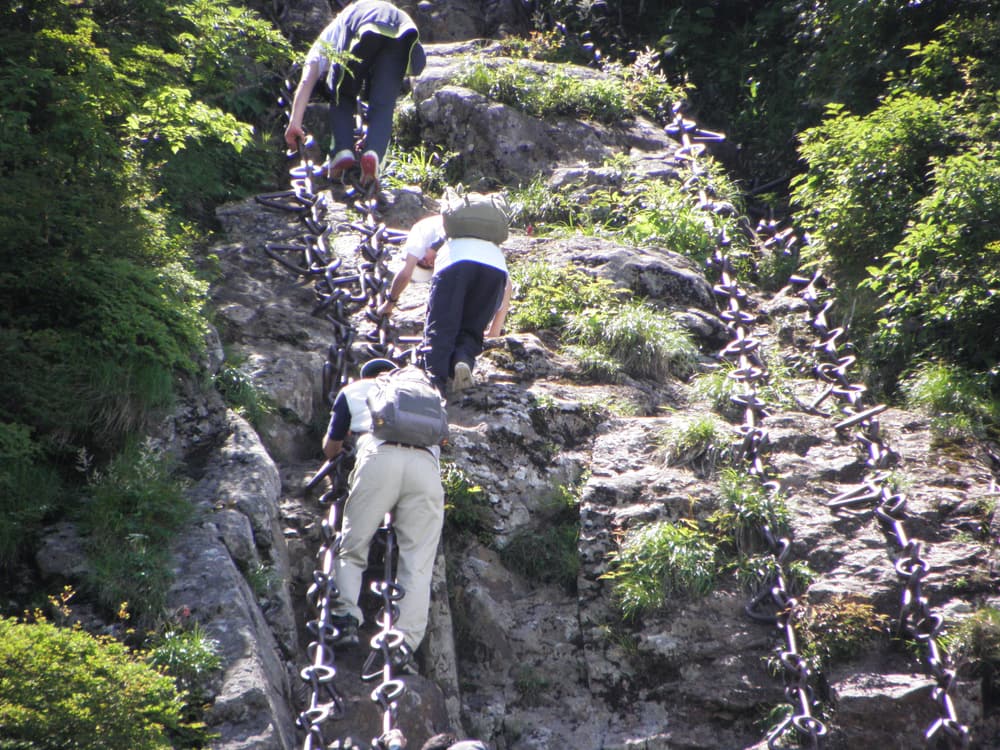
Four sets of thick iron chains hang down near-vertical rock on the pilgrim route: a trial chain, then the first (about 33 m), second (about 65 m) and third (about 68 m). Climbing them is an act of ascetic practice, and a strenuous one — you haul yourself up with feet in the links. Every chain has a signed bypass path with steps and walkways, and many hikers go up the path and simply look at the chains.

Practical: Optional. Wear gloves and proper boots, do not climb in rain, and never descend the chains unless you are experienced. The chains begin about 30–40 minutes below the summit.

Ishizuchi Ropeway & Joju — Mount Ishizuchi & Saijo
03

Ishizuchi Ropeway & Joju

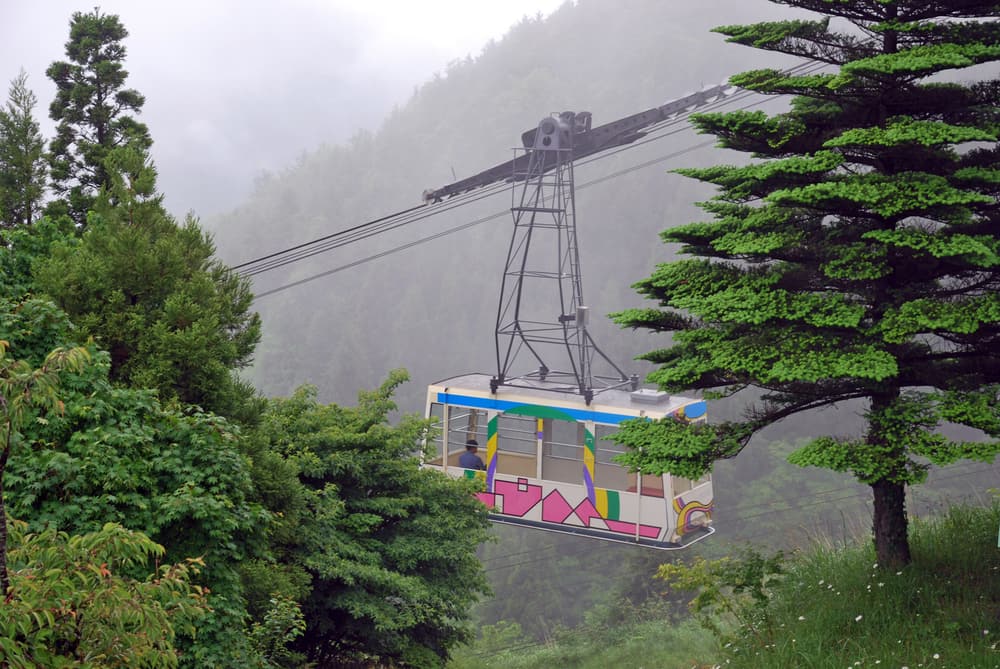
A cable car lifts you in about eight minutes from the valley floor to 1,300 metres. Twenty minutes’ walk beyond, Joju is a small cluster of pilgrim inns and souvenir shops around Joju-sha, a middle shrine of Ishizuchi Shrine with a worship hall whose window frames the peak. Even if you are not climbing, the ropeway, the beech forest and the view from Joju make a good half-day.

Practical: Ropeway roughly every 20 minutes, from about 8:00 or 9:00 to 17:00 or 18:00 depending on season; around ¥2,200 return. A small ski slope operates near the top station in winter.

Tsuchigoya & the Ishizuchi Skyline — Mount Ishizuchi & Saijo
04

Tsuchigoya & the Ishizuchi Skyline

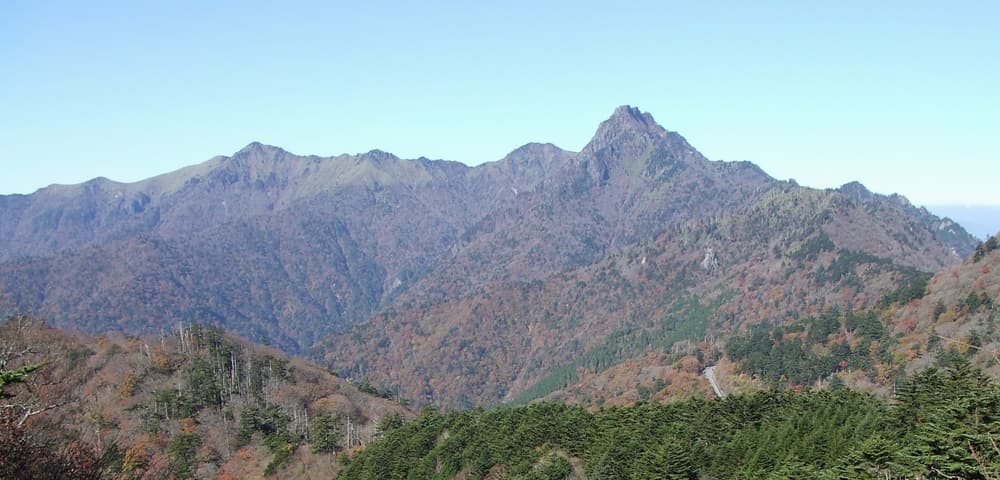
At 1,492 metres, Tsuchigoya is the highest trailhead and the easiest route to the summit: a ridge path through bamboo grass and fir, with far less climbing. It is reached by the Ishizuchi Skyline, a mountain road from the Omogo gorge side with views of the peak’s south face, or by a long, narrow forest road from the north.

Practical: The Skyline is closed in winter (roughly December to March) and at night. Parking, a lodge and a shrine at the trailhead. Seasonal buses run from Kuma Kogen on some days — check current timetables.

Uchinuki springs, Saijo — Mount Ishizuchi & Saijo
05

Uchinuki springs, Saijo

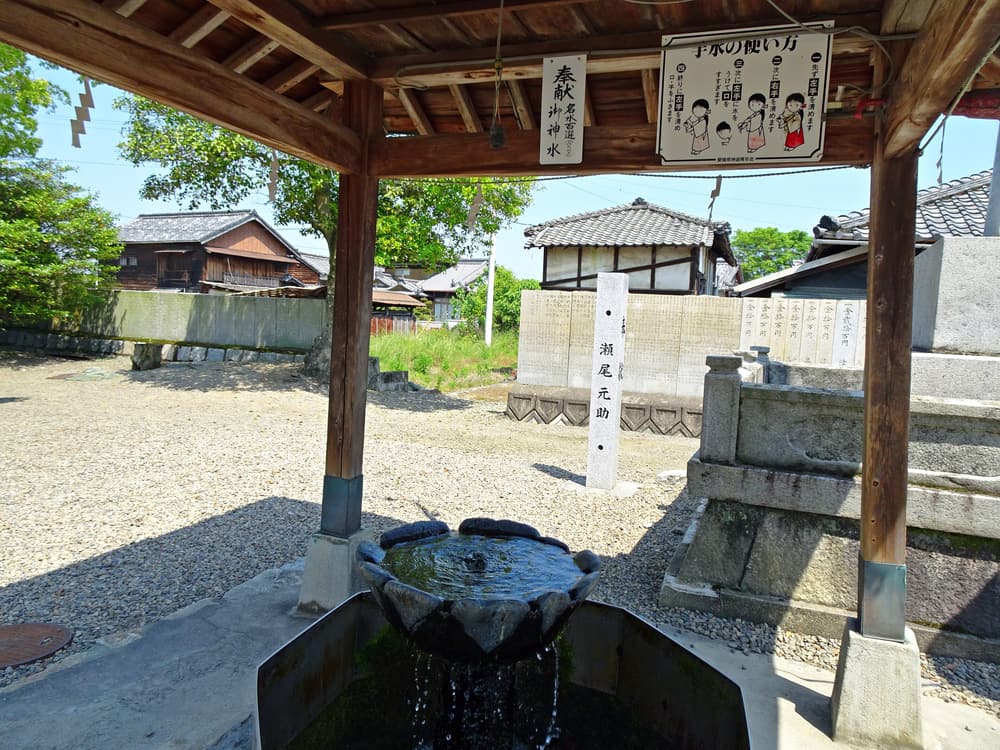
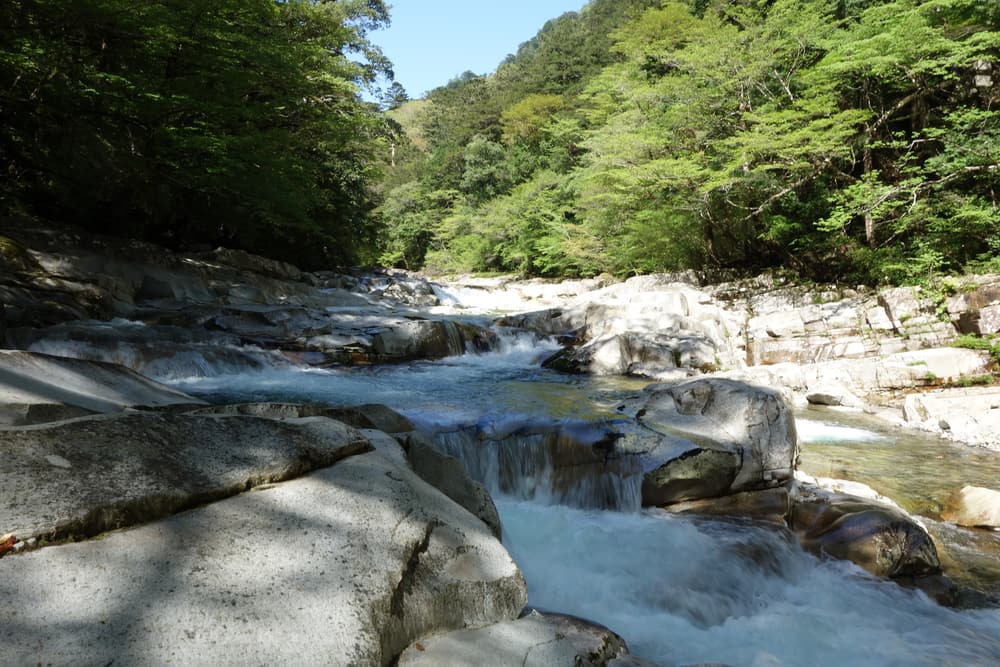
Drive a pipe into the ground almost anywhere in central Saijo and water rises by itself: there are said to be around two thousand such uchinuki wells. A signed water walk leads from the station past fountains, clear channels with waterweed and carp, and a spring that bubbles up inside the fishing harbour. The water is soft, cold all year and free to drink.

Practical: Free. The walk starts at Iyo-Saijo Station, where there is also a small railway museum with a first-generation Shinkansen car. Allow 1–2 hours.

Saijo Festival — Mount Ishizuchi & Saijo
06

Saijo Festival

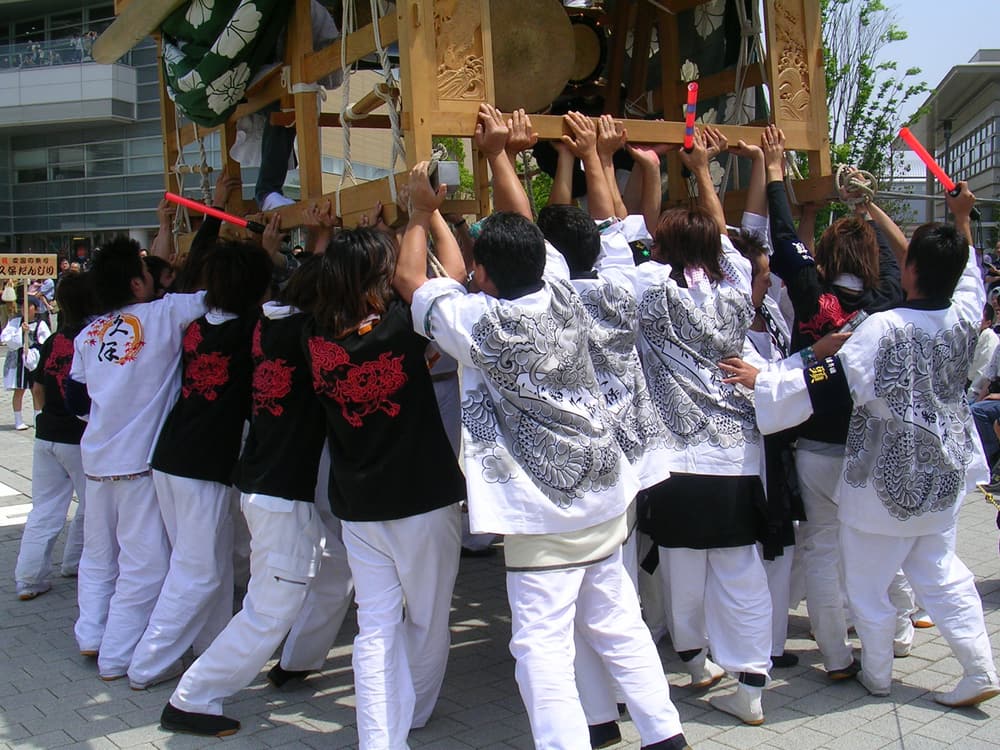
For several days in mid-October the shrines of Saijo hold their autumn festivals in turn. The largest, at Isono Shrine, brings out around eighty wooden floats (danjiri) and portable shrines, each hung with dozens of paper lanterns and carried rather than wheeled. They set out before dawn in a river of light and end at sunset with a climactic gathering in the shallows of the Kamo River.

Practical: Isono Shrine’s festival is traditionally on 15–16 October, with other shrines on the days before and after. Accommodation in Saijo sells out long ahead.

Opening hours, closing days and admission fees change — especially around New Year, festivals and renovation works. Treat the details here as a guide and confirm on the official site before you set out.

Tours & tickets

Top experiences for Mount Ishizuchi & Saijo

Ready to go?

Ready for Mount Ishizuchi & Saijo?

Lock in a guide, a tasting or a day trip for Mount Ishizuchi & Saijo now — most GetYourGuide bookings can be cancelled free up to 24 hours before.