Mount Ishizuchi & Saijo travel guide
Where to base yourself, what to eat, how to save money and ready-made day plans for Mount Ishizuchi & Saijo.
Which route?
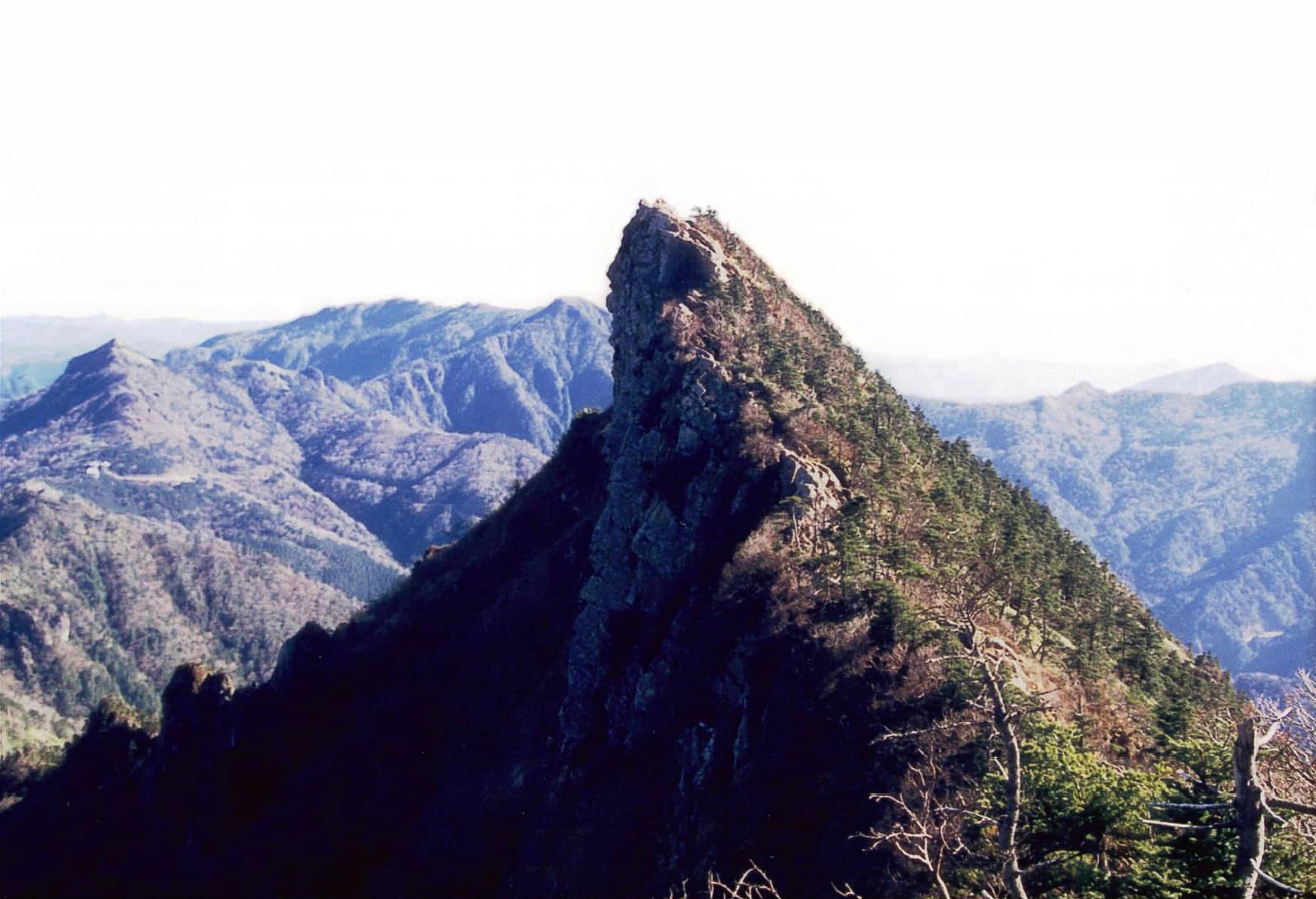
Ropeway and Joju is the classic: more history, more climbing (about 700 metres of ascent, with an annoying descent-then-climb at the start) and reachable by bus. Tsuchigoya is shorter and easier, with around 500 metres of ascent and wide views, but needs a car and is shut in winter. Either way it is a proper mountain day of five to six hours on your feet.
What to bring
Hiking boots or sturdy trail shoes, waterproofs, a warm layer (the summit can be 12–15°C colder than Saijo), gloves if you intend to try the chains, at least a litre and a half of water, and lunch — the summit hut and Joju shops sell simple food in season but not always on weekdays. There are toilets at the trailheads, below the chains and at the summit.
Safety
The normal paths are safe for any reasonably fit walker in good weather. The risks are the optional chains, the exposed ridge to Tengudake, sudden cloud and summer thunderstorms. From December to March the mountain is under snow and ice and is for equipped winter hikers only. Start early, tell your accommodation your plan and turn back if the weather closes in.
Where to stay in Mount Ishizuchi & Saijo
Sleep in Saijo, where there are several business hotels beside Iyo-Saijo Station for an early bus, or on the mountain itself: simple pilgrim inns at Joju above the ropeway, a shrine-run lodge and cabin accommodation in the valley. Mountain places are basic and close in winter.
- Hotel Route-Inn Iyo-Saijo — A reliable chain hotel in Saijo with a large public bath, handy for drivers heading to the mountain.
- Super Hotel Iyo-Saijo — A compact chain business hotel in Saijo, practical before an early start for the mountain.
- Saijo Urban Hotel — A simple hotel right by Iyo-Saijo Station and the start of the spring-water walk.
- Ishizuchi Jinja Kaikan — The lodging hall of Ishizuchi Shrine in Saijo — plain rooms in a setting used by pilgrims.
- Ishizuchi Fureai no Sato — Cabins and simple rooms in a former school in the forested valley below the mountain.
How to spend your time in Mount Ishizuchi & Saijo
Day hike by bus
Night in Saijo; first bus to the ropeway; up via Joju to the summit by about noon; back down for a mid-afternoon bus and a train on to Matsuyama or Okayama.
Easy summit by car
Drive to Tsuchigoya, reach the top in 2–2.5 hours, and return via the Ishizuchi Skyline and Omogo Gorge.
No hiking
Ropeway to Joju for the shrine and the view, then an afternoon on Saijo’s uchinuki water walk — a relaxed day that still shows you the mountain.
Mount Ishizuchi & Saijo: frequently asked questions
How hard is Mount Ishizuchi?
By the normal paths it is a moderate day hike with good footing and many wooden steps. The chains are hard and exposed, but entirely optional.
Do I have to climb the chains?
No. Each chain has a bypass path. Many people climb one for the experience and walk around the rest.
Can I climb in winter?
Only with winter mountaineering equipment and experience. The ropeway runs for skiers, but the trail above is snow and ice, the Skyline is closed and the summit hut is shut.
Are women allowed on the mountain?
Yes, all year except for one day: by long tradition the mountain is closed to women on 1 July, the first day of the summer opening festival.
Ready for Mount Ishizuchi & Saijo?
Lock in a guide, a tasting or a day trip for Mount Ishizuchi & Saijo now — most GetYourGuide bookings can be cancelled free up to 24 hours before.