Skip to content

Things to see in Niihama

The sights worth your time in Niihama, with how long each takes and what to check before you go.

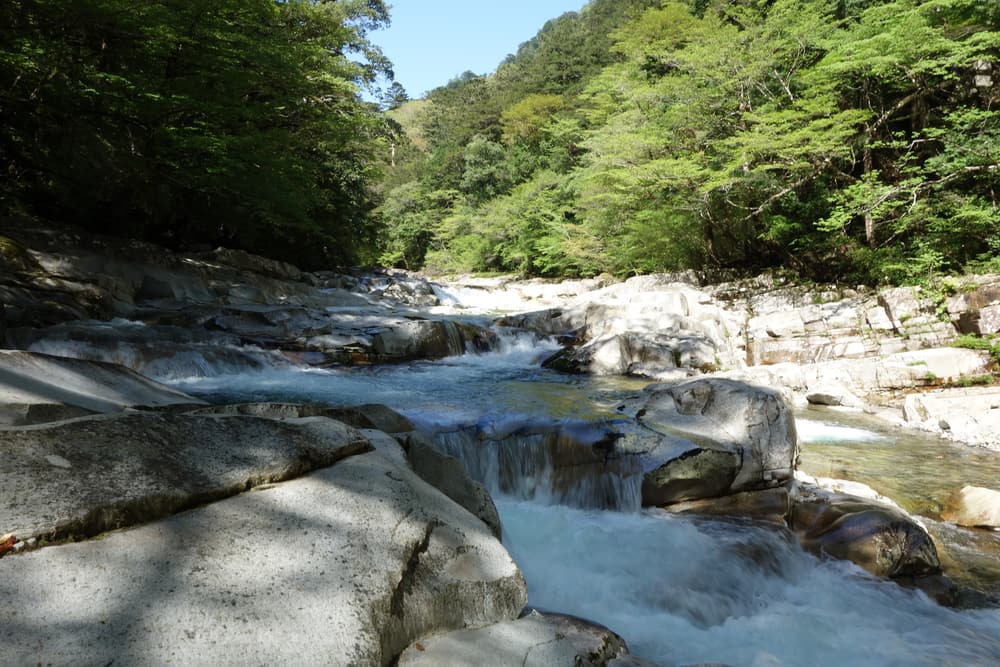
The mine sights lie in the valley south of the city: the museum at the valley mouth, Minetopia’s main site a few kilometres up, and Tonaru at the end of a mountain road above. The Hirose residence and the festival venues are down in the city.

Minetopia Besshi (Hadeba zone) — Niihama
01

Minetopia Besshi (Hadeba zone)

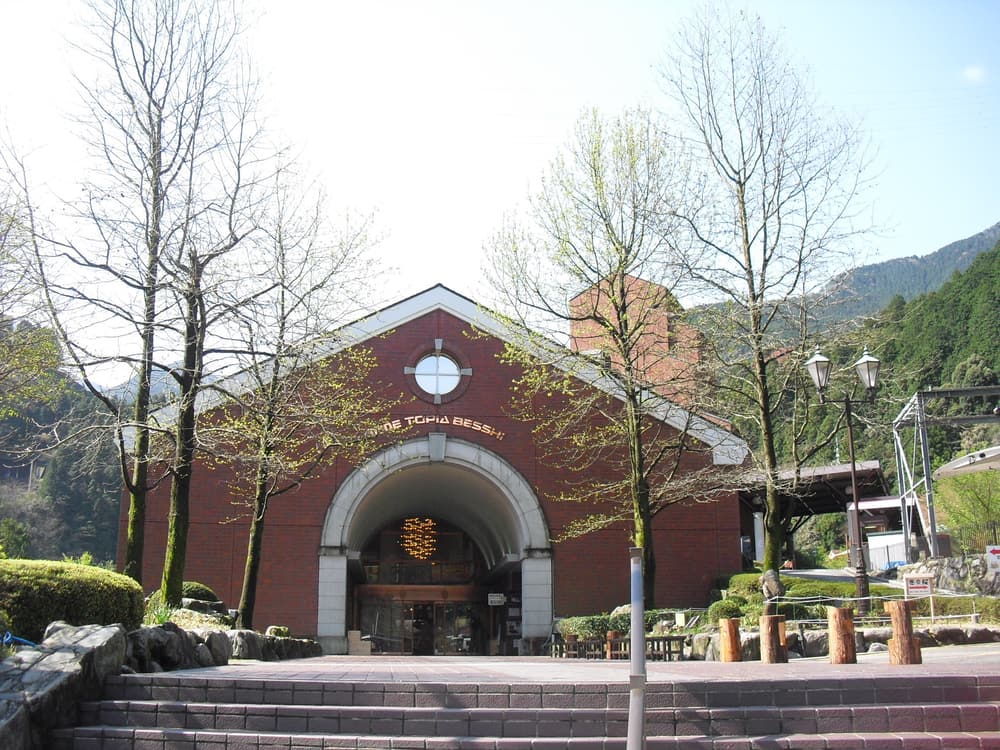
The lower site of the heritage park occupies the mine’s last pithead. A small train modelled on the old mine railway crosses a steel bridge of 1893 into a 330-metre sightseeing tunnel, where dioramas show mining from the Edo period to modern times. Around it are brick buildings from the mine’s hydroelectric plant, gold-panning troughs, a large hot-spring bath, restaurants and a shop — and seasonal flower displays that make it popular with local families.

Practical: Roughly 9:00 or 10:00 to 17:00 (shorter in winter). Grounds free; train and tunnel around ¥1,300. 20 minutes by bus or car from Niihama Station. Allow 1.5–2 hours.
Tonaru: the “Machu Picchu of the East” — Niihama
02

Tonaru: the “Machu Picchu of the East”

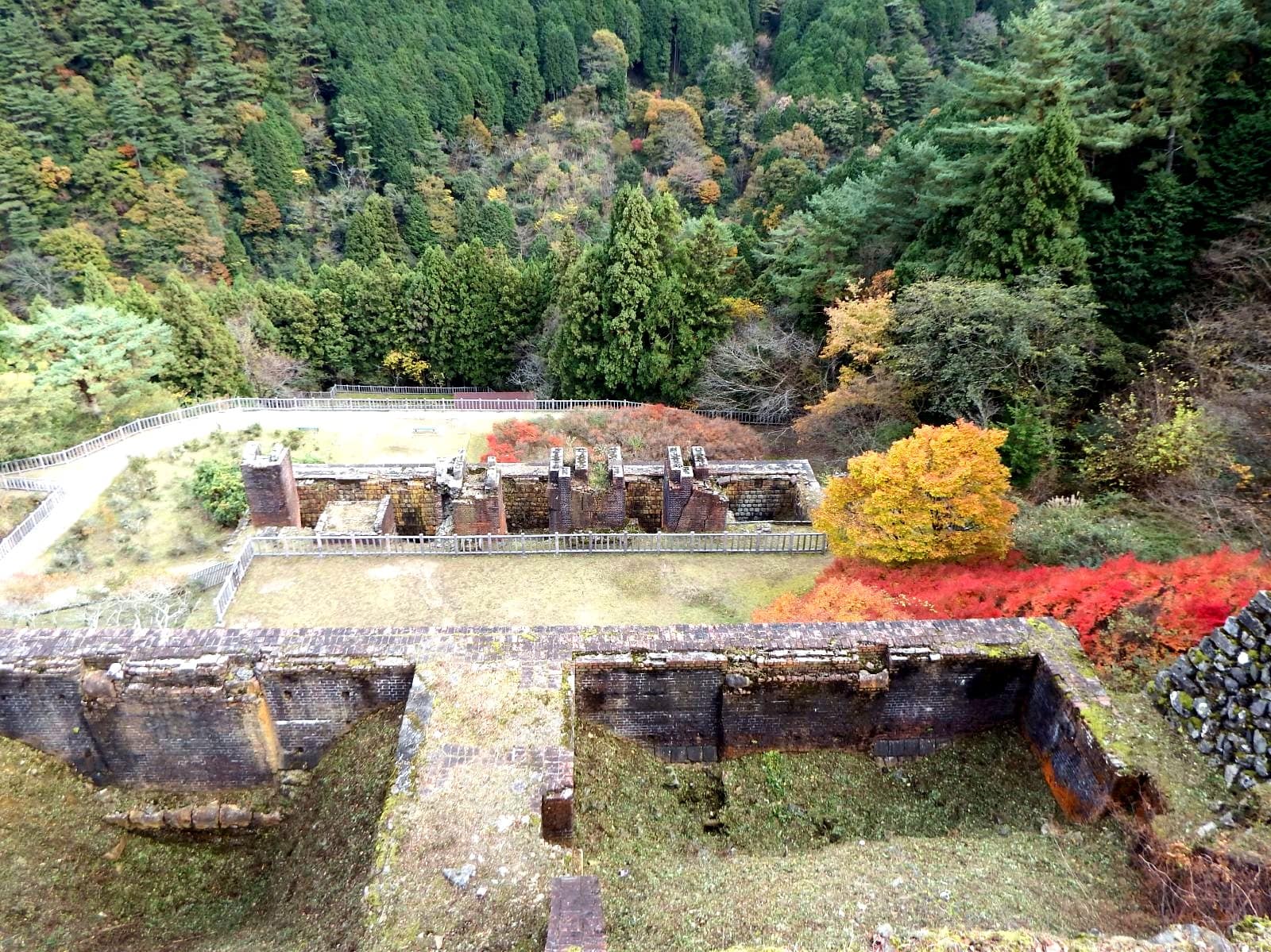
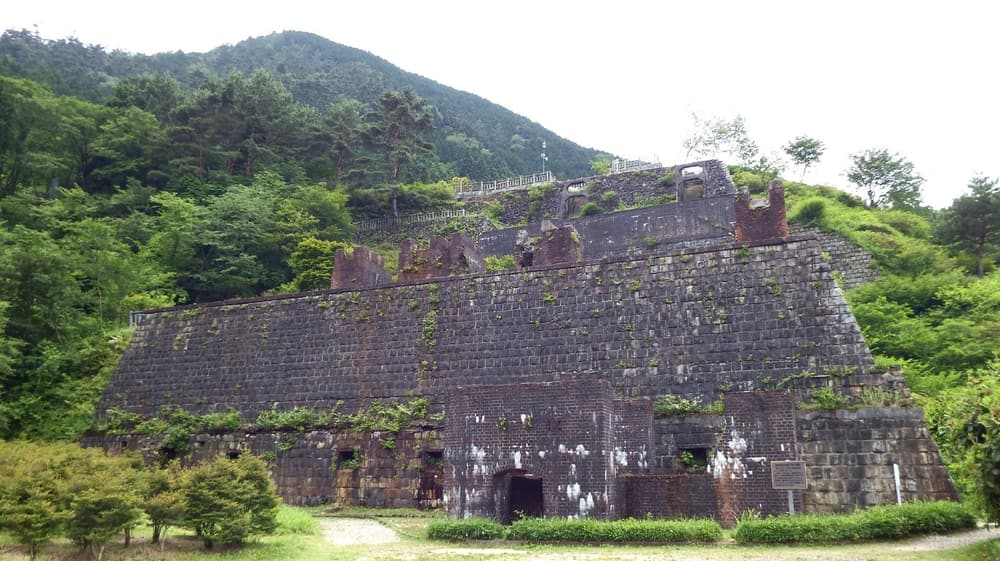
From 1916 to 1930 Tonaru was the operational headquarters of the mine. Its granite-and-brick ore storage bins climb the slope in tiers, with the old cableway terminal below and a small museum of photographs and models beside the car park. On a misty morning, or among autumn leaves, the resemblance to a lost city is real enough. Short trails lead to tunnel portals and the sites of the vanished housing.

Practical: Free. Open roughly March to November; the access road closes in winter. The last 5 km are single-track with few passing places — take the Minetopia bus tour (around ¥1,500, reservation needed) unless you are a confident driver in a small car.

Besshi Copper Mine Memorial Museum — Niihama
03

Besshi Copper Mine Memorial Museum

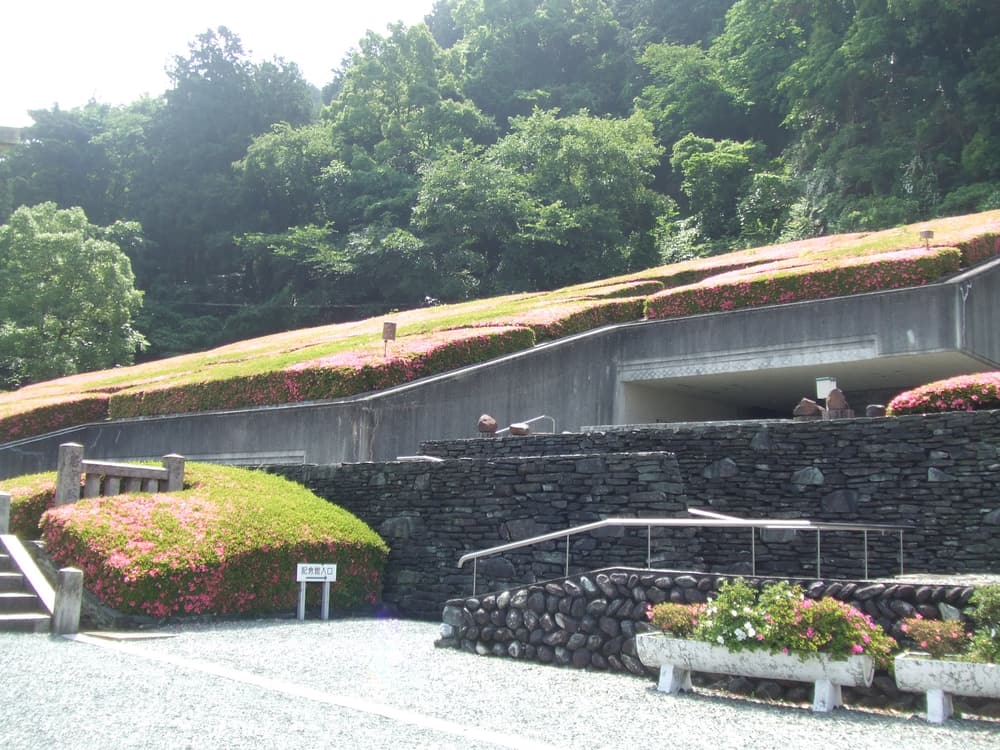
Built into a hillside so that its roof forms a slope planted with thousands of azaleas, this museum is styled like a mine gallery inside. It covers the geology of the deposit, the daily lives of mining families and the technology that took the workings more than a kilometre below sea level, with ore specimens and an early German-built mine locomotive.

Practical: About 9:00–16:30, usually closed Mondays; free. The azaleas bloom in May. On the bus route between the station and Minetopia.

Hirose Memorial Museum — Niihama
04

Hirose Memorial Museum

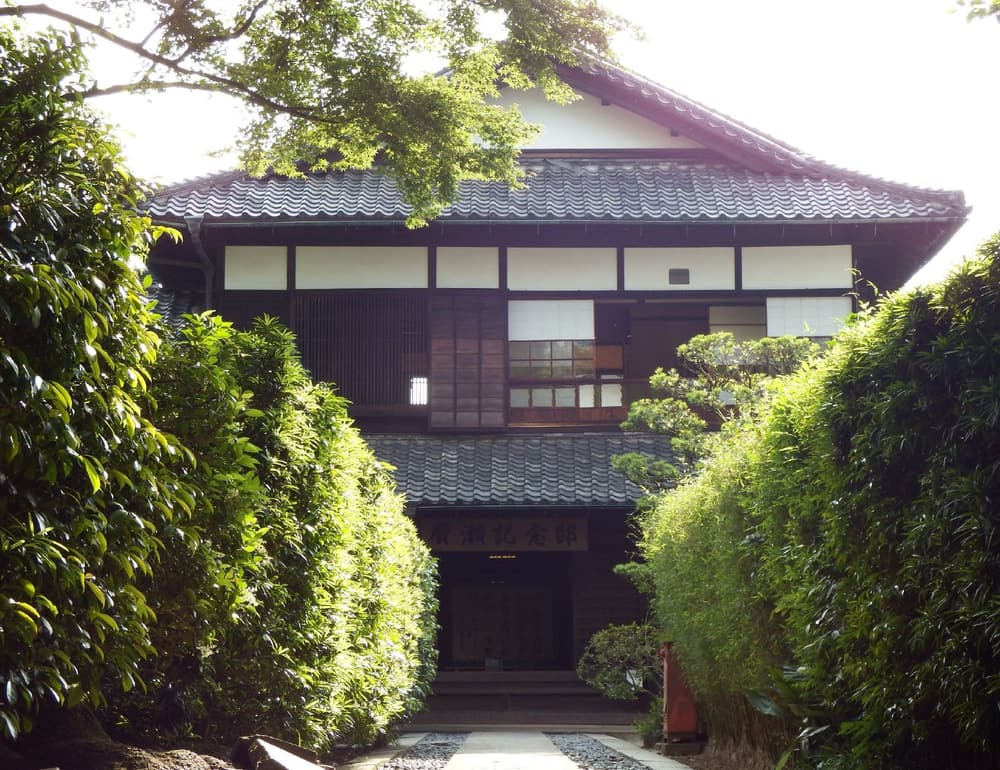
Hirose Saihei, the mine manager who modernised Besshi in the Meiji period and saved it for Sumitomo, lived in a large house on a hill above the city. The residence, with one of the earliest Western-style rooms in a Japanese private home, and its garden are preserved alongside a modern exhibition hall on his life.

Practical: About 9:30–17:30, usually closed Mondays; around ¥550. 15 minutes by bus or taxi from Niihama Station.

Niihama Taiko Festival — Niihama
05

Niihama Taiko Festival

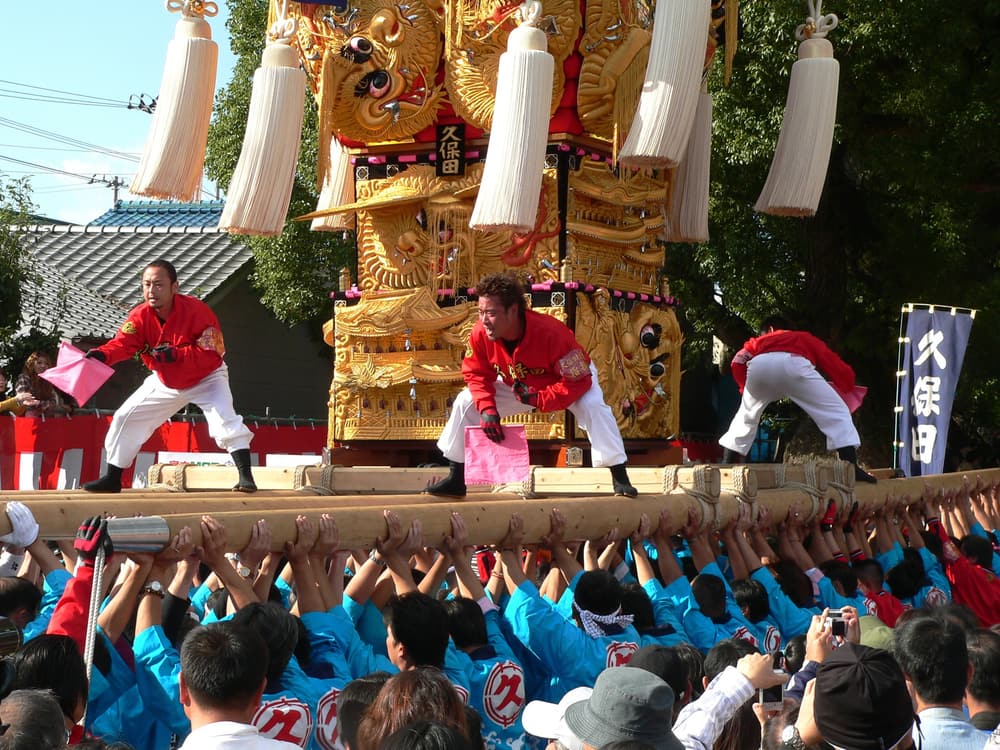
Over three days each October, more than fifty taiko-dai take over the city: towering floats about five metres high, hung with gold-embroidered panels and enormous tassels, each carrying a great drum and weighing around three tonnes. Teams of about 150 bearers race to lift them clear of the ground and hold them aloft at arm’s length — the kakikurabe — to the roar of the crowd. It ranks among Shikoku’s three great festivals.

Practical: 16–18 October every year, whatever the weekday. Venues move around the city’s districts; paid seating is sold for some of the main gatherings.

Opening hours, closing days and admission fees change — especially around New Year, festivals and renovation works. Treat the details here as a guide and confirm on the official site before you set out.

Tours & tickets

Top experiences for Niihama

Ready to go?

Ready for Niihama?

Lock in a guide, a tasting or a day trip for Niihama now — most GetYourGuide bookings can be cancelled free up to 24 hours before.