Skip to content

Things to see in Shimanami Kaido & Imabari

The sights worth your time in Shimanami Kaido & Imabari, with how long each takes and what to check before you go.

The sights below run from Imabari north along the Ehime half of the route. Distances are short — it is about 40 km from Imabari Station to the Tatara Bridge — and every island has rest stops, so non-cyclists can cover the same ground by car or bus.

Kurushima-Kaikyo Bridge & Kirosan Observatory — Shimanami Kaido & Imabari
01

Kurushima-Kaikyo Bridge & Kirosan Observatory

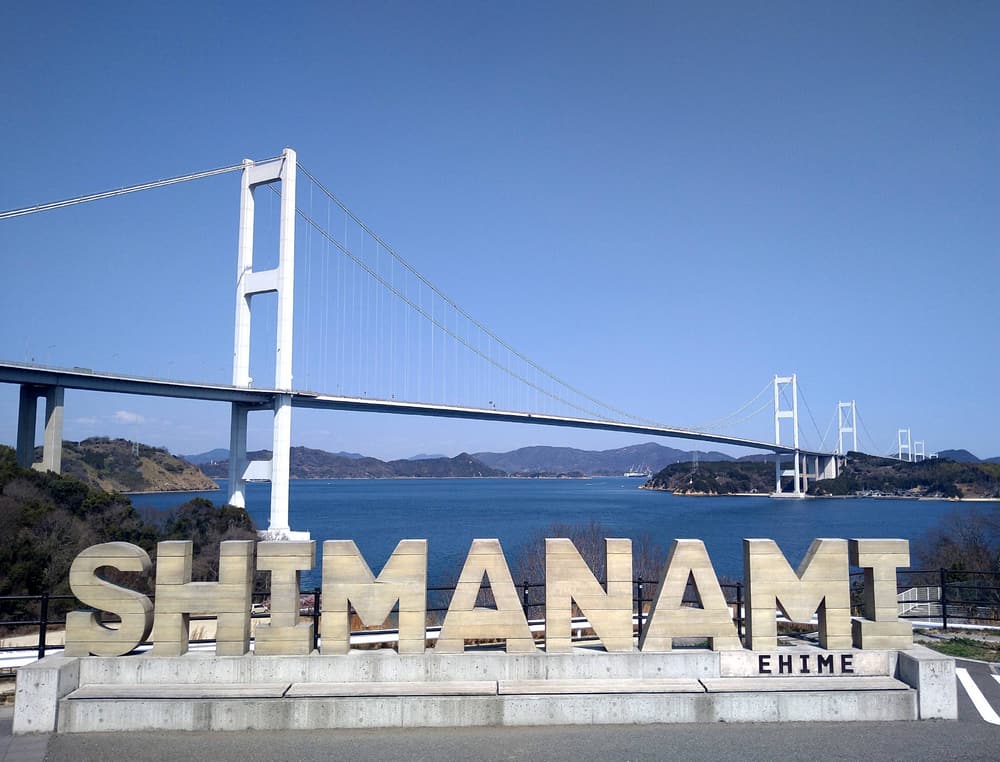
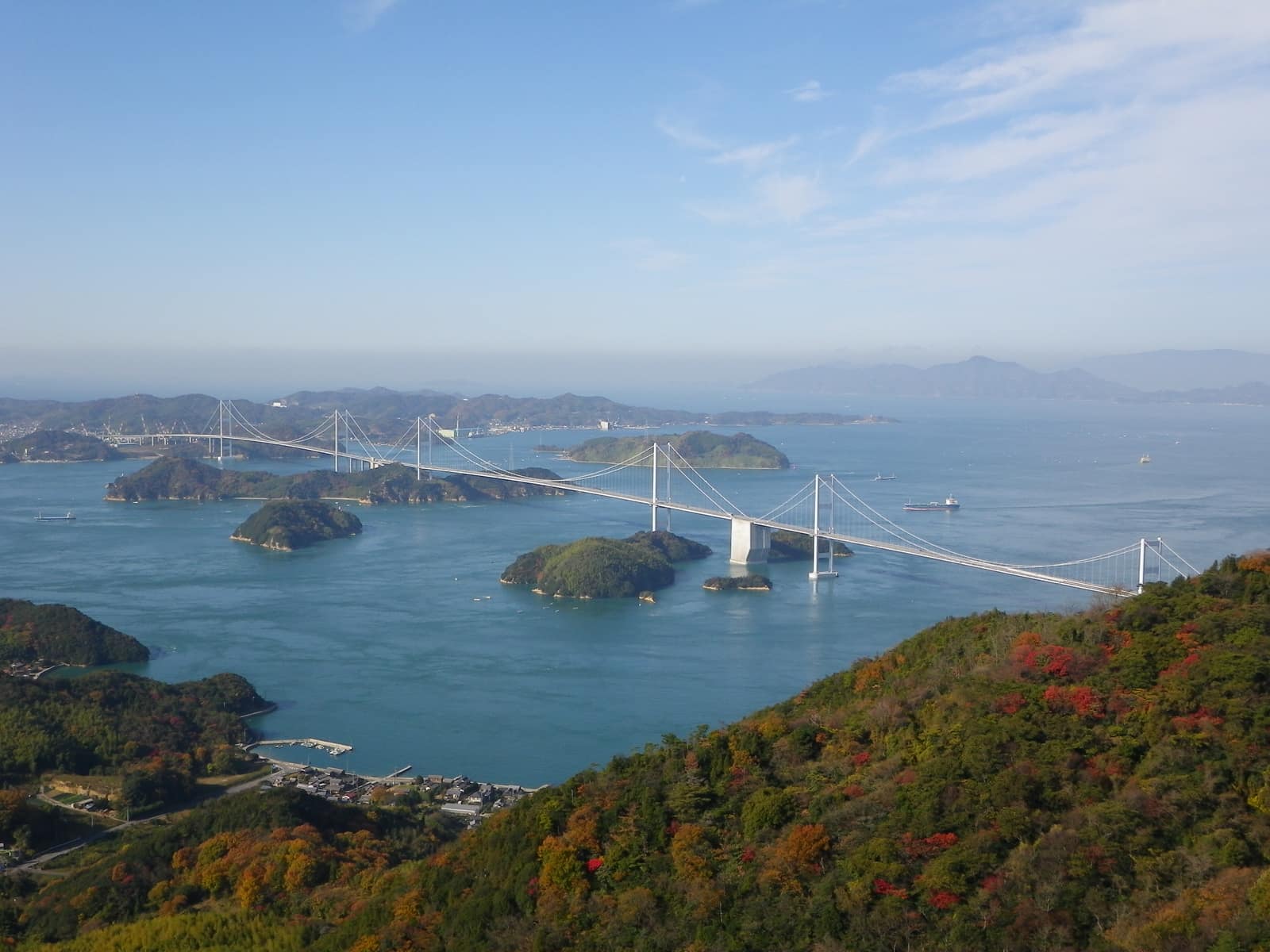
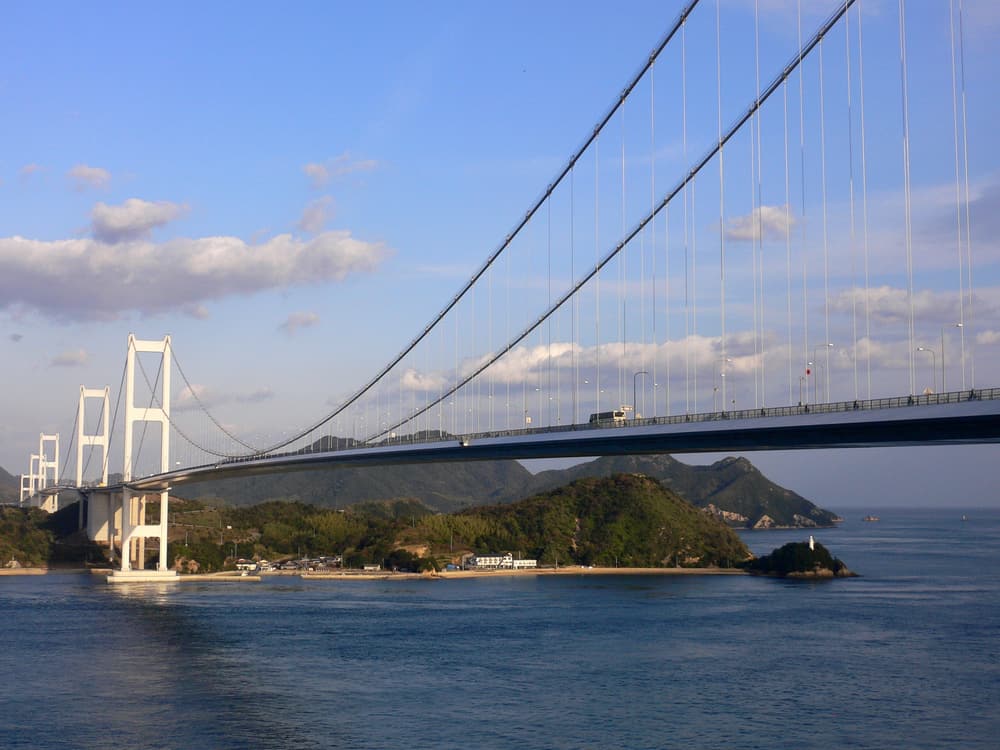
The world’s first triple suspension bridge carries the road and cycle path just over four kilometres from Imabari to Oshima, some 65 metres above a strait where the tide runs like a river. Cyclists climb to deck level on a gentle spiral ramp from the Sunrise Itoyama terminal. On the Oshima side, a steep side road (or a taxi) leads to Kirosan Observatory Park, a viewing deck by the architect Kengo Kuma that is buried in the hilltop — the classic panorama of the whole bridge, especially at sunset.

Practical: Always open. Bridge tolls for cyclists have been waived under a long-running campaign — check whether it is still in force. The climb to Kirosan is about 3 km at a stiff gradient. From Imabari Station to Sunrise Itoyama is about 6 km.
02

Oshima

The first island is hilly and green, with two short climbs on the main route. At its northern tip, the Yoshiumi and Miyakubo areas offer tidal-current boat rides into the whirlpools of the strait, a seafood barbecue hall where you pick your own shellfish, and a museum on the Murakami clan — the sea lords, sometimes called pirates, who controlled these waters in the sixteenth century.

Practical: Boat rides last around 40 minutes and run several times a day in season, weather and tide permitting. The museum usually closes on Mondays.

Hakata Island — Shimanami Kaido & Imabari
03

Hakata Island

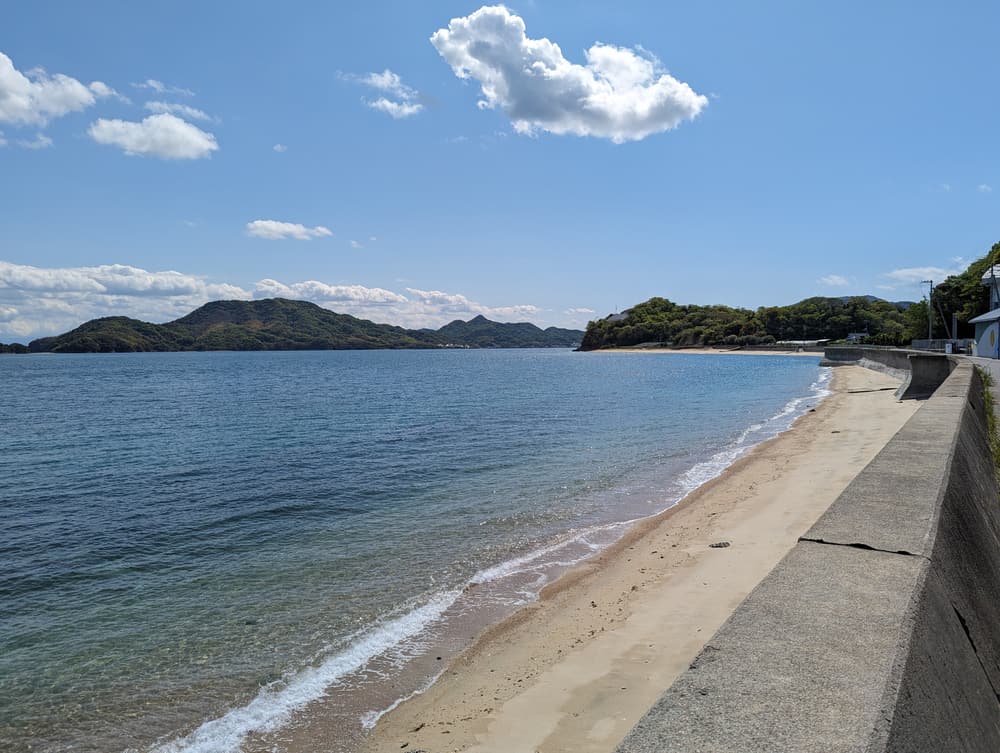
The smallest of the Ehime islands on the route is crossed in a few flat kilometres, but its name is known everywhere thanks to Hakata salt. The roadside station by the beach sells salt soft-serve and salt ramen, and there is a sandy cove and a dolphin enclosure next to it.

Practical: The beachside rest stop is right on the blue line, about 25 km from Imabari. A good lunch stop.

Omishima & Oyamazumi Shrine — Shimanami Kaido & Imabari
04

Omishima & Oyamazumi Shrine

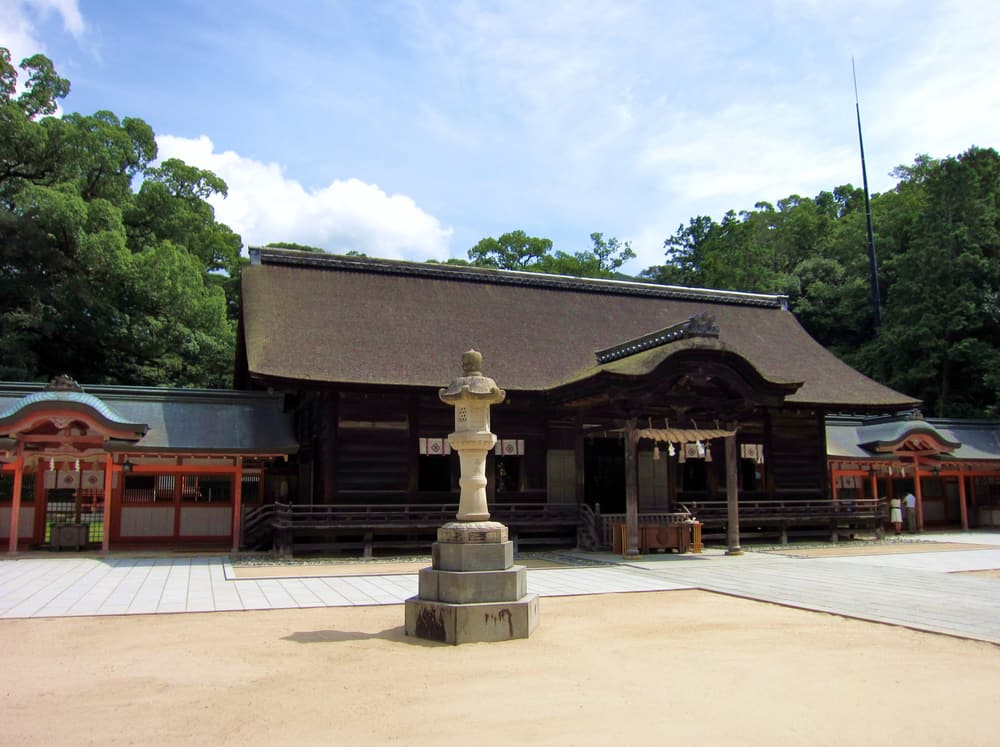
The largest island on the route is the “island of the gods”. Oyamazumi Shrine, on its western shore, has been venerated by warriors and seafarers for well over a thousand years; grateful samurai left their arms here, and its treasure hall holds a remarkable share of Japan’s nationally designated armour and swords. Ancient camphor trees shade the courtyard. Nearby are a few small art museums, including one devoted to the architect Toyo Ito, and several of the route’s best guesthouses.

Practical: Shrine grounds free and always open; treasure hall about 8:30–17:00, around ¥1,000. The shrine is 7 km off the main cycle route across a low pass — allow an extra 1–1.5 hours, or take the bus from Imabari.

Tatara Bridge & the Cyclists’ Sanctuary — Shimanami Kaido & Imabari
05

Tatara Bridge & the Cyclists’ Sanctuary

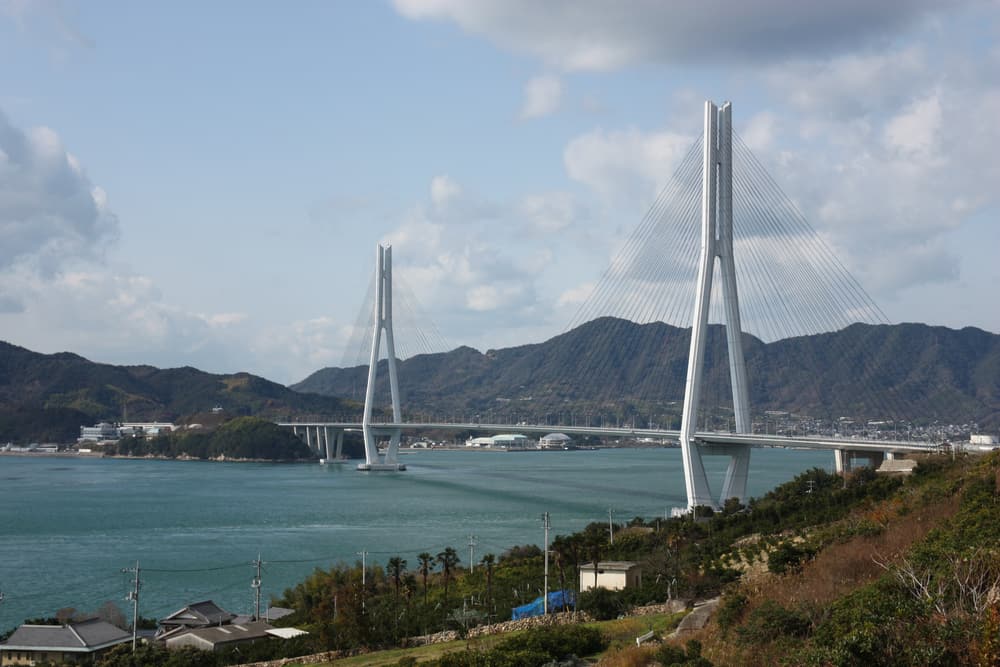
The elegant cable-stayed Tatara Bridge links Omishima with Ikuchijima and marks the border between Ehime and Hiroshima. Tatara Shimanami Park, at its foot, has the stone “Cyclists’ Sanctuary” monument that every rider photographs, a restaurant and a produce market. Clap your hands under the bridge towers to hear the famous “roaring dragon” echo.

Practical: Park and rest stop open daily, roughly 9:00–17:00. About 40 km from Imabari Station.

Imabari Castle — Shimanami Kaido & Imabari
06

Imabari Castle

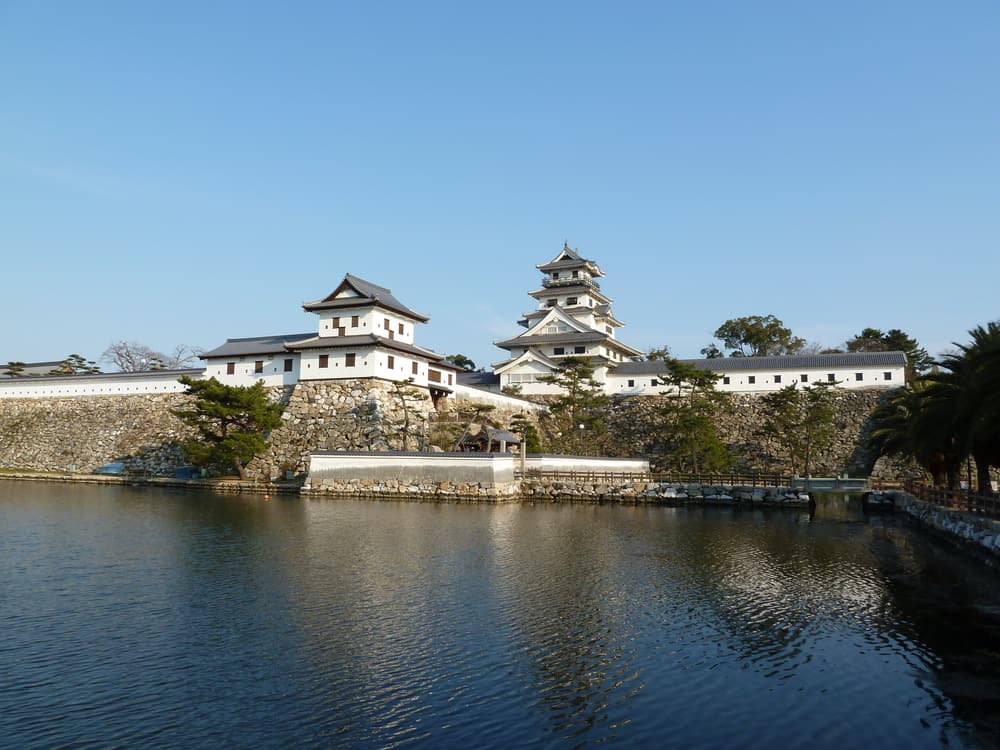
Built in the early 1600s by the master castle architect Todo Takatora, Imabari Castle is one of Japan’s three great “water castles”: its broad moat is filled by the sea, so you may spot sea bream and even small sharks beneath the walls. The keep and turrets are modern reconstructions housing local history displays, with a view of the strait from the top.

Practical: About 9:00–17:00; around ¥520. A 10-minute bus ride or 25-minute walk from Imabari Station. Lit up at night.

Imabari towels — Shimanami Kaido & Imabari
07

Imabari towels

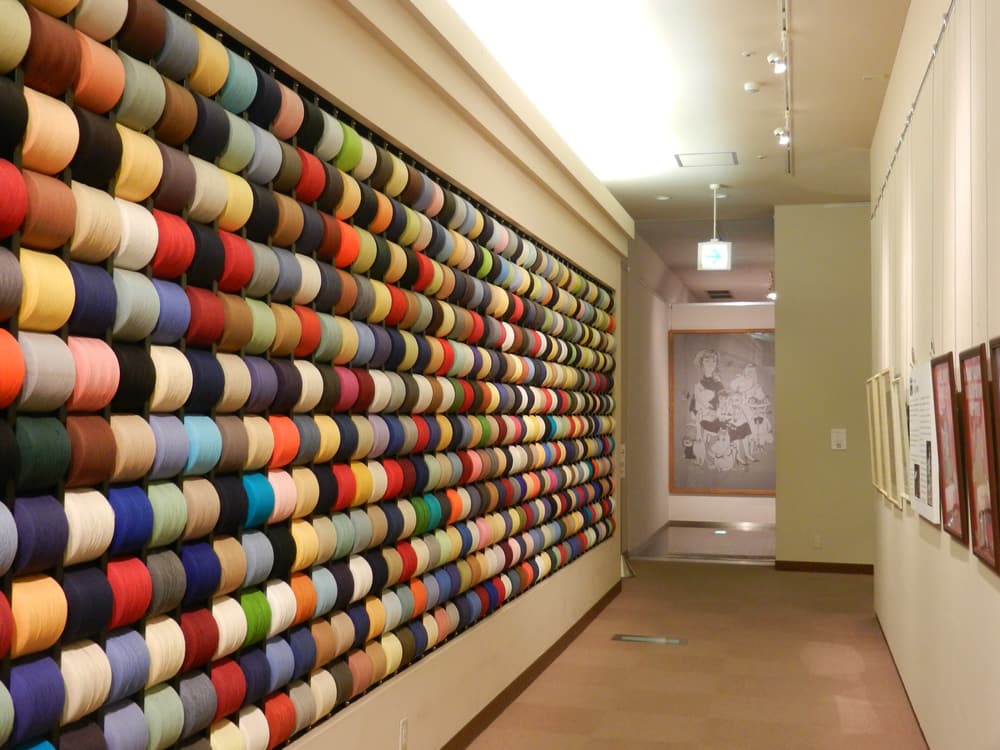
Imabari has woven cotton towels for more than a century, and its blue, white and red brand label has become a byword for quality. The official brand store near the station stocks hundreds of designs, and a large towel museum in the hills south of the city combines factory viewing, textile art and a European-style garden.

Practical: The towel museum is around 25 minutes from the station by car or infrequent bus; admission is roughly ¥800. Shops in town are free to browse.

Opening hours, closing days and admission fees change — especially around New Year, festivals and renovation works. Treat the details here as a guide and confirm on the official site before you set out.

Tours & tickets

Top experiences for Shimanami Kaido & Imabari

Ready to go?

Ready for Shimanami Kaido & Imabari?

Lock in a guide, a tasting or a day trip for Shimanami Kaido & Imabari now — most GetYourGuide bookings can be cancelled free up to 24 hours before.